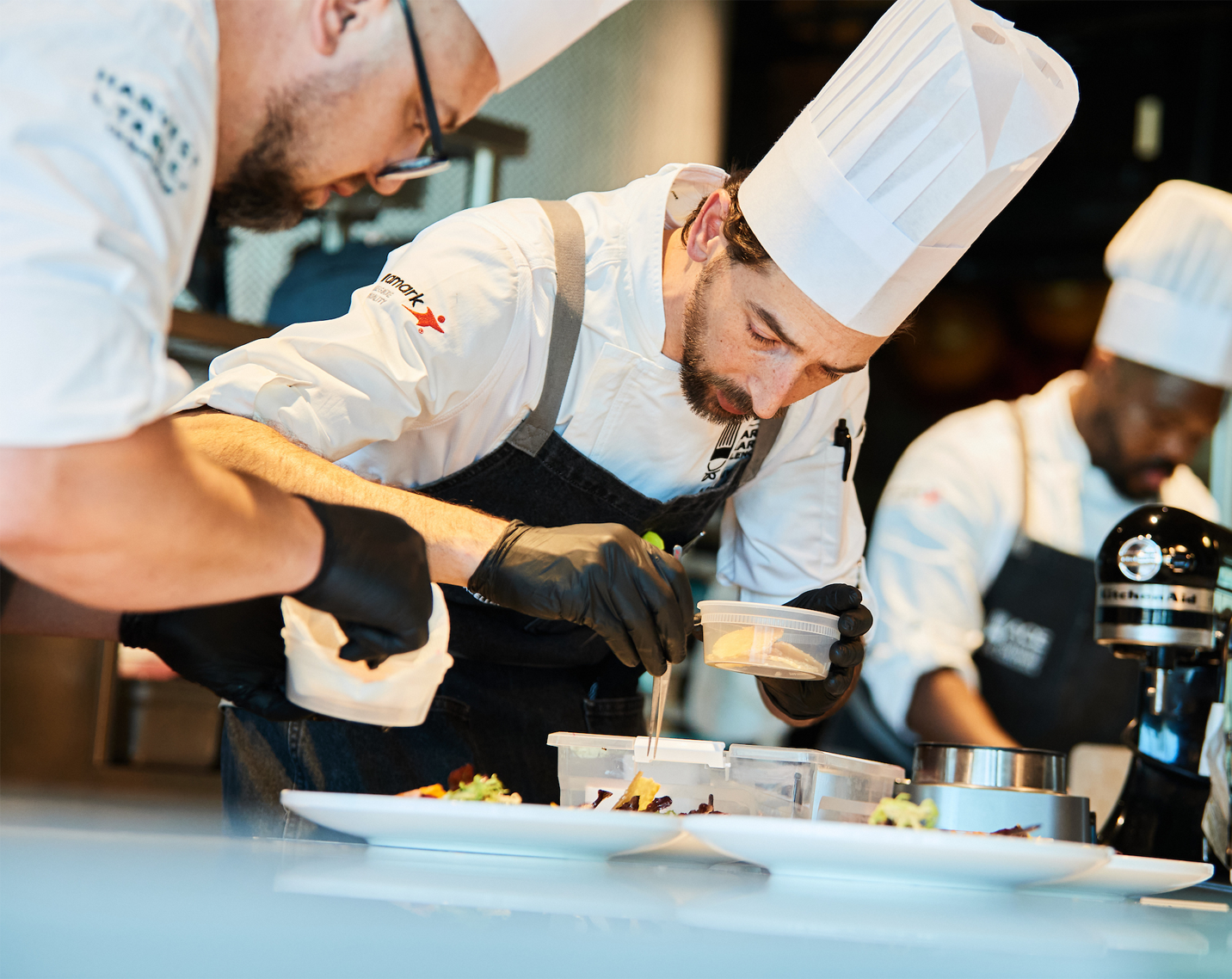
Aramark has outlined a framework for culinary development that brings its existing chef training, certification, and hands-on experience opportunities together in one place. Rather than a single, linear ladder, the framework recognizes that every chef’s career is different and gives chefs a clear view of the options available to them, from entry-level training to nationally recognized professional credentials and unique real-world events.
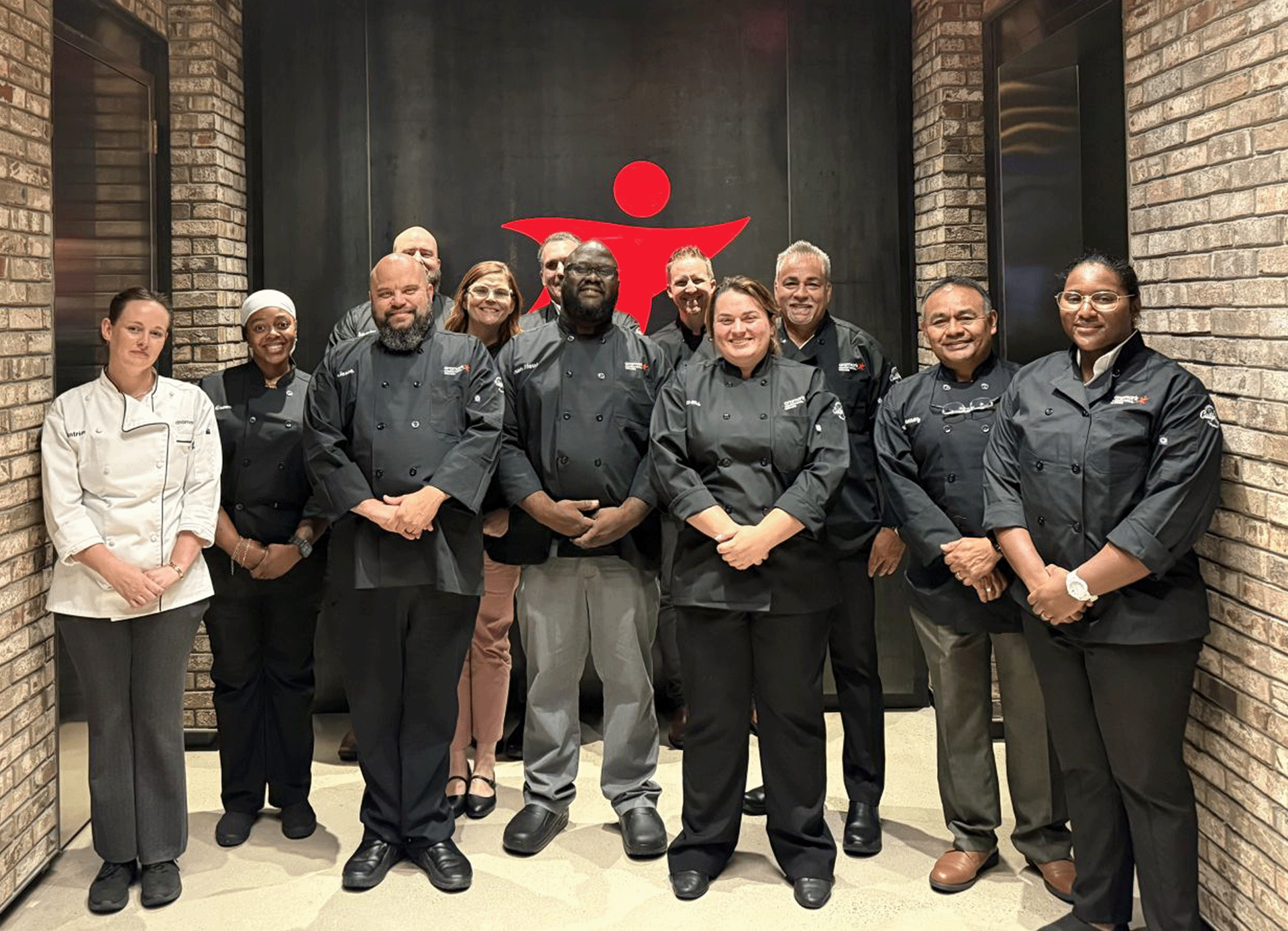
The framework is stewarded by Aramark’s Culinary Council, which serves as the enterprise’s leadership forum for advancing culinary capability, accelerating best-practice sharing and shaping the future of chef development across Aramark. The Council is also building a more consistent way to onboard new talent and shape career paths, with the goal of ensuring every chef, in every business line, feels connected, empowered, and set up for success.
“Our goal is to unite culinary leaders across all lines of business to collaborate, solve challenges, and elevate our craft,” said Chef Randy Bain, Culinary Director and Culinary Council lead for Aramark. “We share best practices, drive innovation, and champion a consistent onboarding and career development process to ensure every chef has the tools, knowledge, and path to thrive.”
Bain notes that chefs who move through Aramark’s stadiums, hospitals, college campuses and corporate dining rooms build a breadth of experience that’s hard to come by elsewhere. Chefs learn as much from the peers around them as from any classroom, he said, and layering that peer knowledge with formal education, industry-recognized certification, and hands-on experience gives them the confidence and the runway to try things they might never have attempted in a traditional restaurant setting.

Aramark’s Culinary Development Pathways
Aramark’s approach to culinary development recognizes that there is no single route to growth. Chefs can draw on a range of programs, communities, and experiences, choosing the combination that best fits their goals, experience, and career direction.
- Foundational Training: Lobster Ink and CIA ProChef Level I. Open to Executive Chefs, Chef Managers, Food Production Managers, Supervisors, and Lead Cooks, the virtual program, developed with Lobster Ink and the Culinary Institute of America, assigns a chef mentor at each location. Participants complete the coursework over one year, building core culinary, leadership, and financial fundamentals while also gaining access to the CIA’s Plant Forward Kitchen e-learning. The 2026 cohort launched in January with more than 150 participants.
- Advanced Professional Certification: Two Prestigious Paths. Chefs seeking advanced credentials can pursue the certification program that best fits their goals and career path.
- ACF Certification. Through the American Culinary Federation (ACF), chefs can earn certifications ranging from Chef de Cuisine to Certified Executive Chef (CEC®). Candidates must have at least five years of executive-level kitchen leadership experience, a high school diploma or equivalent, plus culinary education or apprenticeship credentials, and have completed coursework in nutrition, food safety, supervisory management, and beverage/cost control. Certification requires passing both a written and a practical exam.
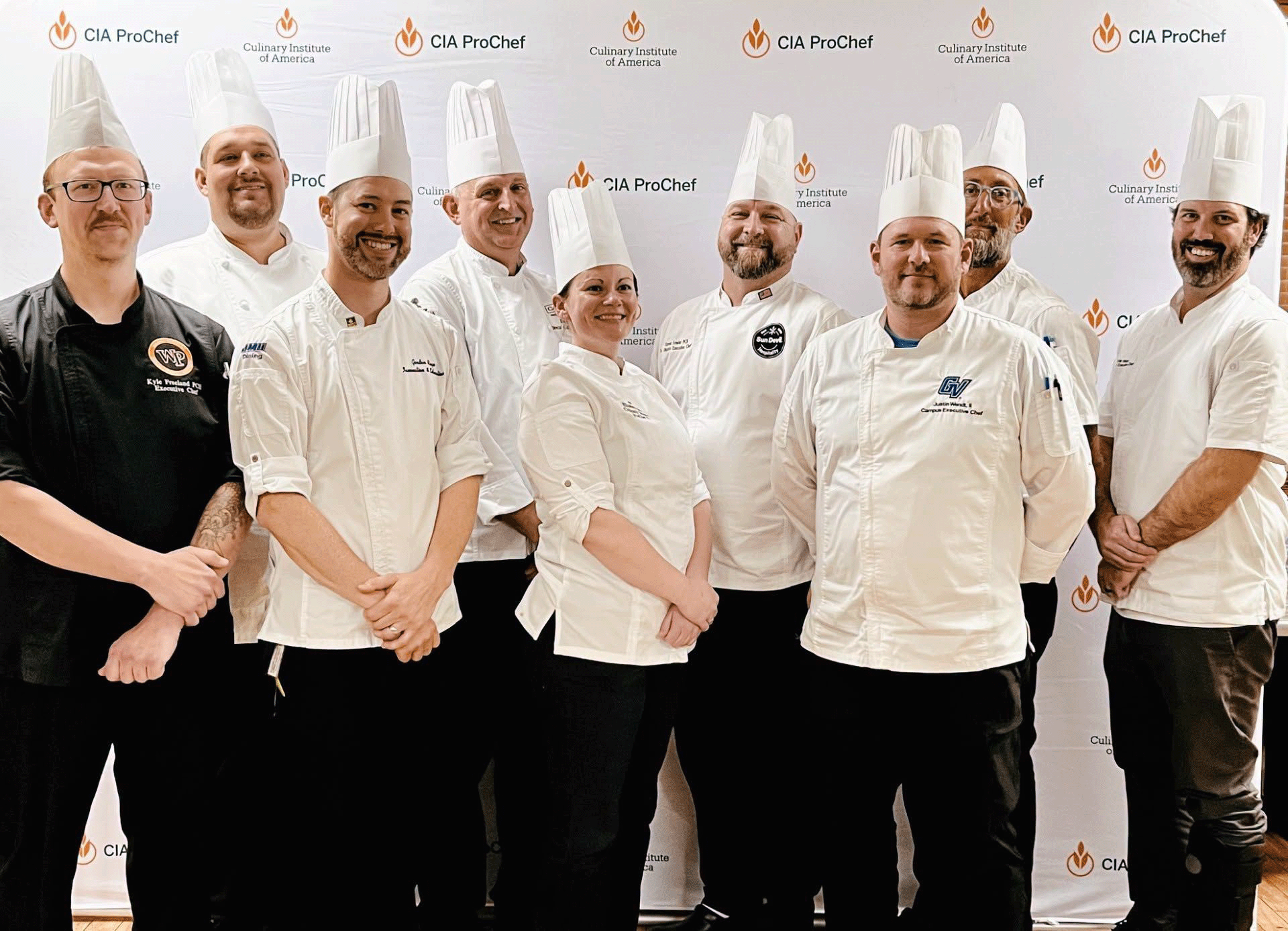
- CIA ProChef Levels II and III. Through the Culinary Institute of America, chefs can pursue ProChef Level II and III certification, a high-investment track for high-potential talent. Level II candidates are tested on baking, global cuisines, and plant-forward cooking; Level III adds an additional global cuisine, a pastry exam, an elective, and a finance/HR case study. Both levels require candidates to demonstrate mastery across multiple practical exams over several days.
- Professional Community: ACF Membership. Open to chefs at any stage, ACF membership offers a way to deepen their professional network and standing, with year-round learning through webinars, continuing education units and publications, along with a peer community for knowledge-sharing.
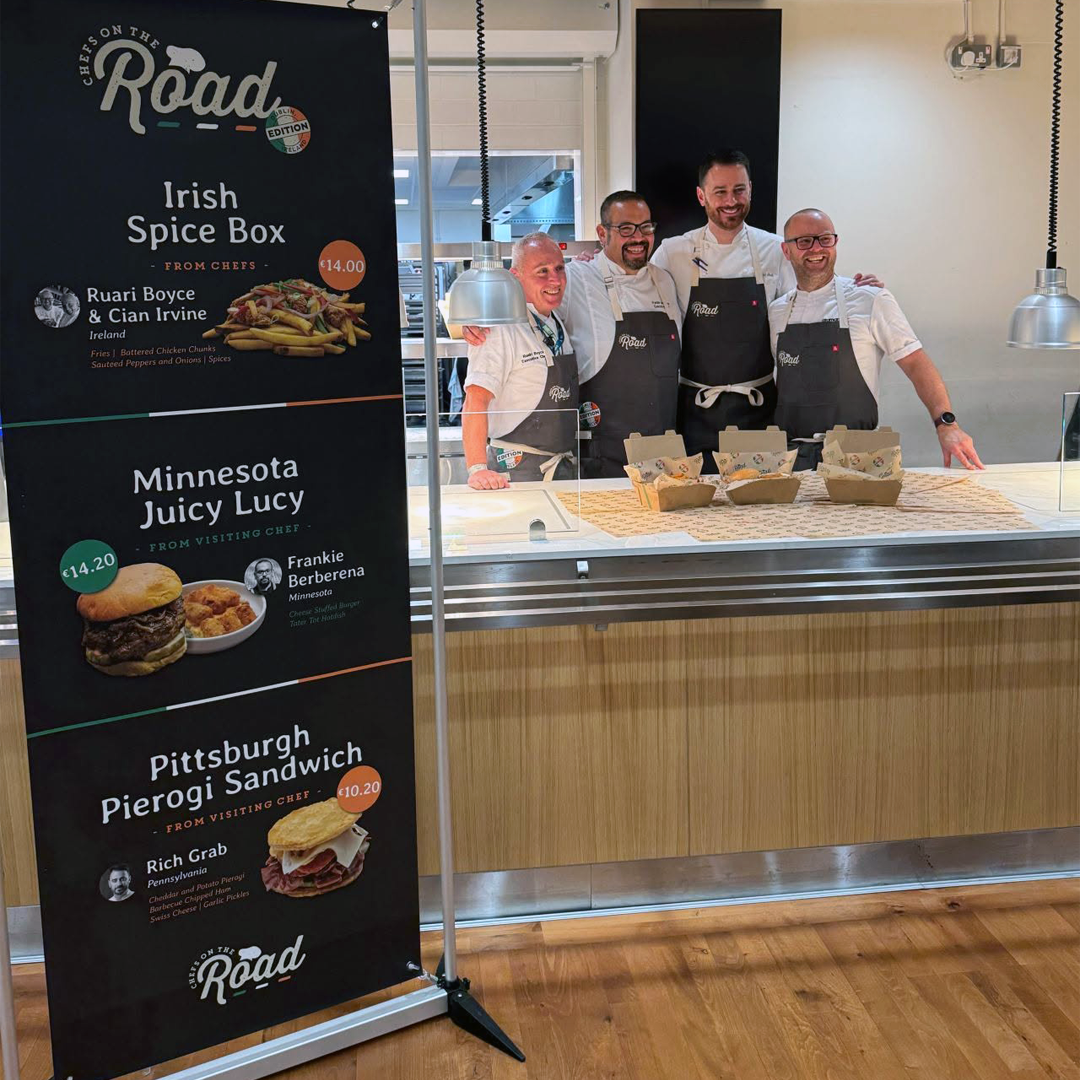
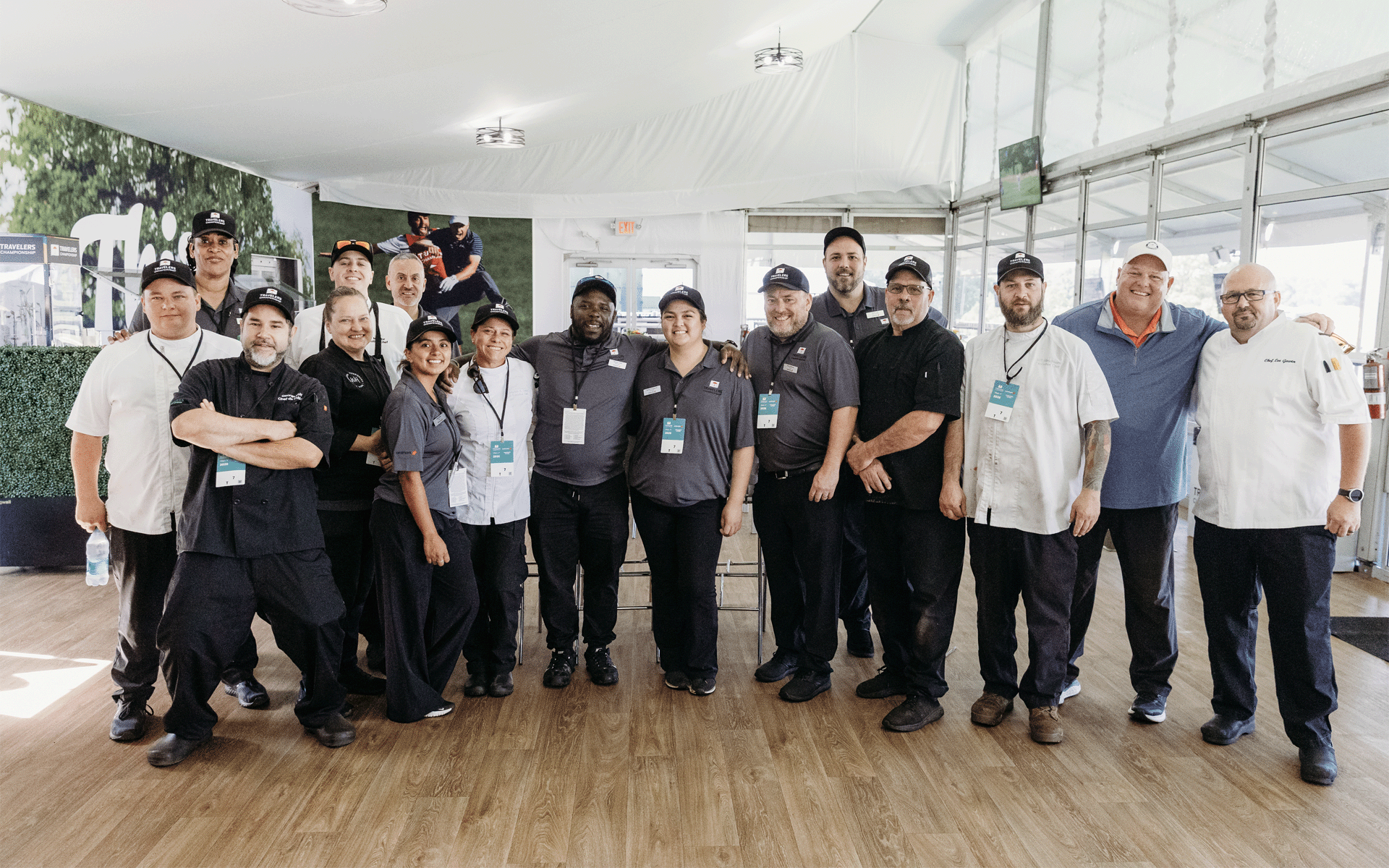
- Real-World Development Experiences. Alongside formal education and certification, Aramark’s culinary community has access to hands-on opportunities that few kitchens can offer, including global soccer, premiere major league events, world-wide competitions, national parks, and large-scale mobilizations. These events give chefs the chance to cook at extraordinary scale, collaborate with peers from across lines of business, and build skills that complement their formal training.
“Culinary careers don’t follow one straight line, and our development options shouldn’t either,” said Bain. “By bringing these programs together, we’re giving chefs a clearer view of the options, whether that’s building a foundation, pursuing the certification that fits their goals, or learning on the biggest stages in food service. That’s better for our chefs and better for our business.”
Sign Up for News Alerts