Aramark has embarked on a new research collaboration with the Drexel Food Lab to better design and implement food service practices that promote healthy, plant-forward eating while reducing carbon emissions. This partnership is a significant step toward Aramark’s ambitious goal of achieving net-zero emissions by 2050.
Aramark has been at the forefront of sustainability initiatives, particularly through its partnership with the World Resources Institute’s (WRI) Coolfood Meals program, which began in 2021. Through this program, WRI certifies meals that meet stringent criteria for low carbon and nutrition. Over 3,000 Aramark recipes have been certified as low-carbon Coolfood Meals, available across various sectors including Collegiate Hospitality, Healthcare+, and Workplace Hospitality.
“At Aramark, we are deeply committed to sustainability and innovation. Our collaboration with the Drexel Food Lab is a testament to our dedication to advancing sustainable food practices and reducing carbon emissions,” said Ila Fennie, Aramark’s Vice President of Culinary. “This partnership not only underscores our commitment to environmental stewardship, but also highlights the power of innovative solutions in creating a healthier planet for future generations.”

Drexel Food Lab’s Plant-Forward Menu Interventions Yield Promising Results
The Drexel Food Lab, known for its expertise in culinary arts and science, has been a pivotal partner in this initiative. The lab’s mission is to improve the health of people, the planet, and economies through innovative food solutions.
In a new study, Drexel University’s Food Lab, in collaboration with Aramark, has unveiled promising results from their recent menu interventions aimed at reducing carbon emissions. The study, conducted at Drexel’s residential dining halls and consisting of three key interventions, yielded intriguing findings that have the potential to deliver environmental and health benefits.
Intervention 1: Earth Day Limited Time Offer Test
During Earth Week, Drexel’s Urban Eatery offered five unique jackfruit recipes, supported by targeted marketing materials displayed before and during the promotion. The data, compared with a control week, showed a 12.96% reduction in carbon emissions meal. Marketing efforts significantly influenced consumer choices, with high overall liking scores for the jackfruit entrées.
Intervention 2: Grill Testing
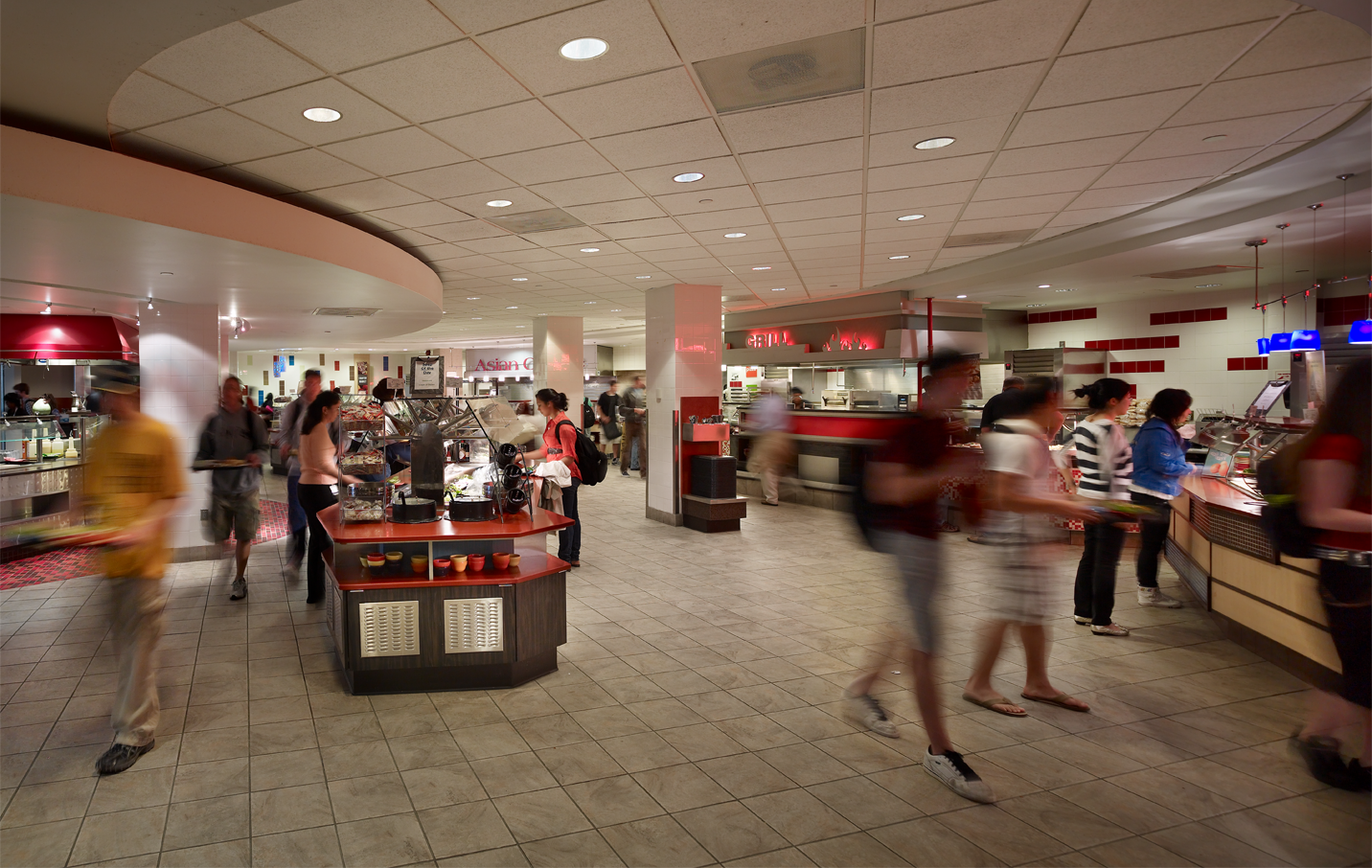
At the Urban Eatery’s grill station, daily specials without beef were offered, while core grill items with beef were available via kiosk. The intervention weeks, compared to control weeks, demonstrated a 44% reduction in carbon impact at the grill station (on average the grill contributes 35% of total carbon impact at lunch). Convenience was a significant factor in consumer entrée selections, and there was no significant negative feedback on consumer satisfaction.
Intervention 3: Entrée Testing
In another intervention, Drexel’s Hanschumacher dining hall moved beef entrees away from primary stations during lunch. The comparison with control weeks showed a significant reduction in carbon emissions per meal. Convenience and cravings were key factors influencing entrée choices, with no significant negative feedback on consumer satisfaction.

Overall Key Takeaways
The study highlighted that diners were open to selecting plant-based options even when meat-based options are available. There was no significant difference in perceived meal quality, satisfaction, or liking between control and intervention weeks. Notably, the interventions led to a reduction in carbon emissions and had a neutral - positive impact on cost without compromising consumer satisfaction.
This study marks an important step toward understanding how menu interventions can expand choice and effectively reduce carbon emissions while maintaining consumer satisfaction.