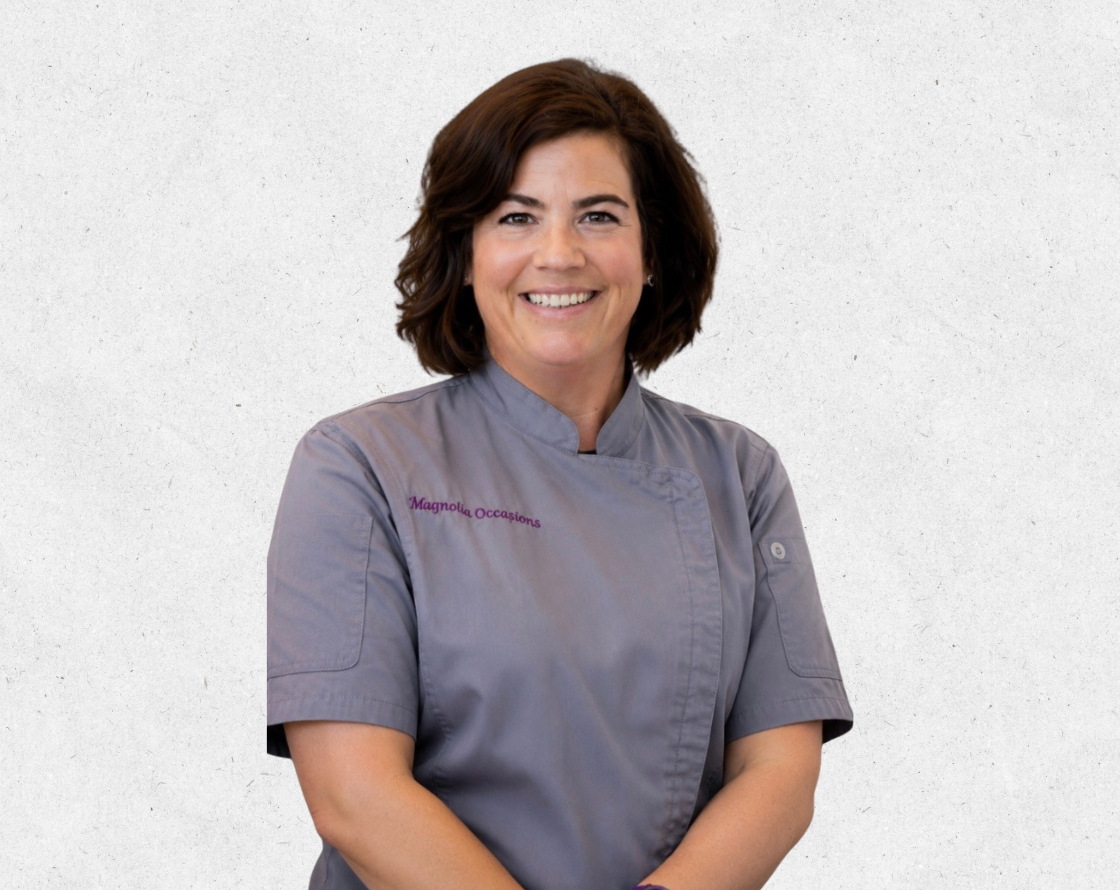
A Conversation with Senior Culinary Director, Chef Margaret Occhipinti, LifeWorks Restaurant Group
There are moments in a chef's career that reframe everything. Not just the way you cook, but the way you lead, the way you see a plate, the way you understand what food can do for the people in the room. For Chef Margaret Occhipinti, a year-long culinary immersion through the Culinary Institute of America was one of them.
Selected in late 2024 for the CIA's Culinary Immersion and Innovation Program, a collaboration between the CIA and Hormel, Chef Margaret spent the better part of a year alongside 17 chefs from across the hospitality industry: restaurants, collegiate dining, contract hospitality, and yes, direct competitors. With three modules and 12 immersive days together, what she brought back wasn't just technique. It was a new vocabulary for what elevated hospitality can be.
What follows is a conversation about craft, curiosity, and what it means to lead a kitchen and a team with intention.
You were selected alongside chefs from very different corners of the industry. What was it like being in the room with people from such different backgrounds?
It was one of the most energizing parts of the whole program. When you're with chefs, like really with them, having dinner, having a conversation over a cocktail, working through a project together, ideas just generate. I brought back ideas from conversations that happened outside the classroom just as much as from what happened inside it.
There's something that happens when you're in that kind of environment: it sharpens you. You're representing your craft, your team, and your perspective. And you're also genuinely learning from the people next to you.
“You’re drawing from completely different contexts and somehow arriving at something new together.”
Walk us through the program. What did each module focus on?
The first module was in Napa, and it was all about contemporary flavors and techniques. We spent a full day just exploring how flavor works through blind tastings, understanding how all five senses shape the experience of food. Smell, sight, touch, taste, sound. It sounds almost philosophical, but it was intensely practical. By the end of that day, I was thinking about food differently.
We had two kitchen sessions where we were first given recipes to produce and then given only ingredients and asked to express what we'd learned through our dishes. No instructions, just instinct and craft. That's when you really see where you are as a cook.
The final day of that module was a farm visit outside Napa. We pulled things out of the ground, toured the winery connected to the farm, and sat down to a farm-to-table lunch in a barn where every dish was built around what had been harvested that week. That experience stayed with me.
The second module in San Antonio focused on wellness and not just nutrition. We talked about functional ingredients, plant-forward cooking techniques, the blue zones and why certain populations live longer. The Mediterranean diet came up again and again. But we also talked about mental health, about the toll this industry takes on chefs, about burnout and chef wellbeing. A representative from the Burnt Chef Project came to speak to us. It was a full-circle conversation: how do we nourish the people we serve, and how do we take care of ourselves in the process?
The third and final module was at CIA Hyde Park, and it centered on leadership and innovation. We talked about the current landscape; rising costs, the pressures restaurants face, what it means to lead a culinary team in this climate. We spent a day touring New York City, visiting everything from stadiums to fine dining to contract dining locations. Then we broke down a whole pig and spent an afternoon building dishes from every cut. It was grounding in the best way.
The program also brought up difficult conversations about burnout, chef wellbeing, and the pressures of the industry. How did that land for you?
It was important. And it was honest in a way that those conversations don't always get to be. When the Burnt Chef Project came and spoke to us, it wasn't abstract. This is the reality of our industry, and pretending otherwise doesn't serve anyone, not the chefs, not the teams they lead, not the guests they cook for.
What I took from it is that you can't pour from an empty vessel. That matters to me as a leader. It shapes how I think about the culture we build on our team every day.
"If we want to create experiences that genuinely move people, we have to be present enough, well enough, grounded enough to bring that to the work.”
A year is a significant commitment. How did LifeWorks support you through this?
Incredibly well. There was a week that overlapped with a major client strategy session, and my leadership's response was clear: you committed to this program, you're going. Let's set the team up to succeed without you.
That kind of support matters. It tells you something about the culture you're working in. And honestly, it also pushed me to grow and to delegate in ways I hadn't before, to trust my team to carry things while I was away. That's a gift, even when it's uncomfortable.
What would you say to another chef who had an opportunity like this in front of them?
Don't think twice. You will come back different. You will come back with new questions, new ideas, and a new sense of what's possible. And that energy, that renewed sense of craft and purpose, it doesn't stay contained to you. It flows into your team, into your menus, into the experiences you create.
--
Chef Margaret Occhipinti is Senior Culinary Director for LifeWorks Restaurant Group, leading culinary vision and training across one of the brand's largest portfolios.
Known for an innovative, seasonal approach, she is always attuned to what is trending and continually evolves her menus, building in what she calls memory makers: deliberate moments of theater and detail that make a guest look twice and turn a meal into something they carry with them.
Sign Up for News Alerts