Picture a Wednesday afternoon. An employee signs up through a quick internal link, walks down to the café after the lunch rush, and spends the next hour cooking alongside a chef. Empanadas, from scratch. They leave with the meal they made, a technique they did not have that morning, and a recipe card to take home. That is a teaching kitchen. At LifeWorks Restaurant Group, it is one of the clearest ways a dining program becomes more than lunch. It becomes an employee benefit people choose, look forward to, and come back for.
What a Teaching Kitchen Is
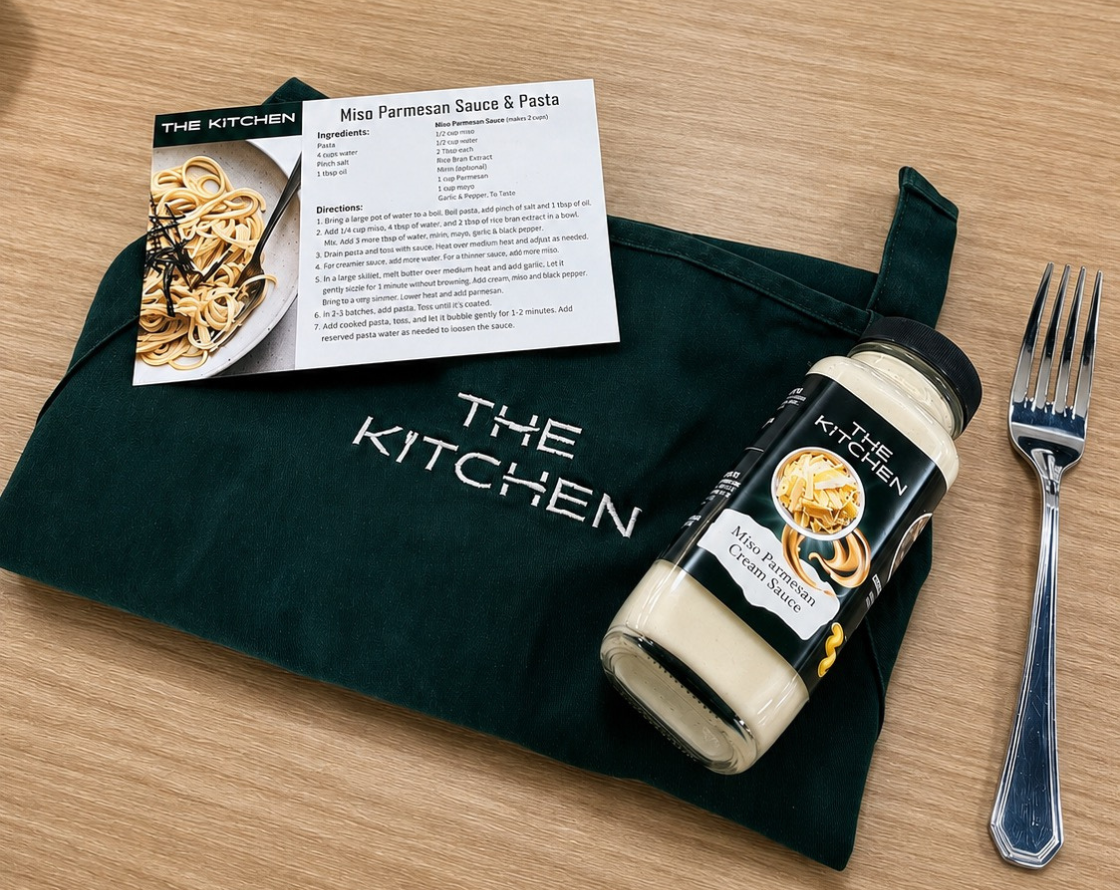
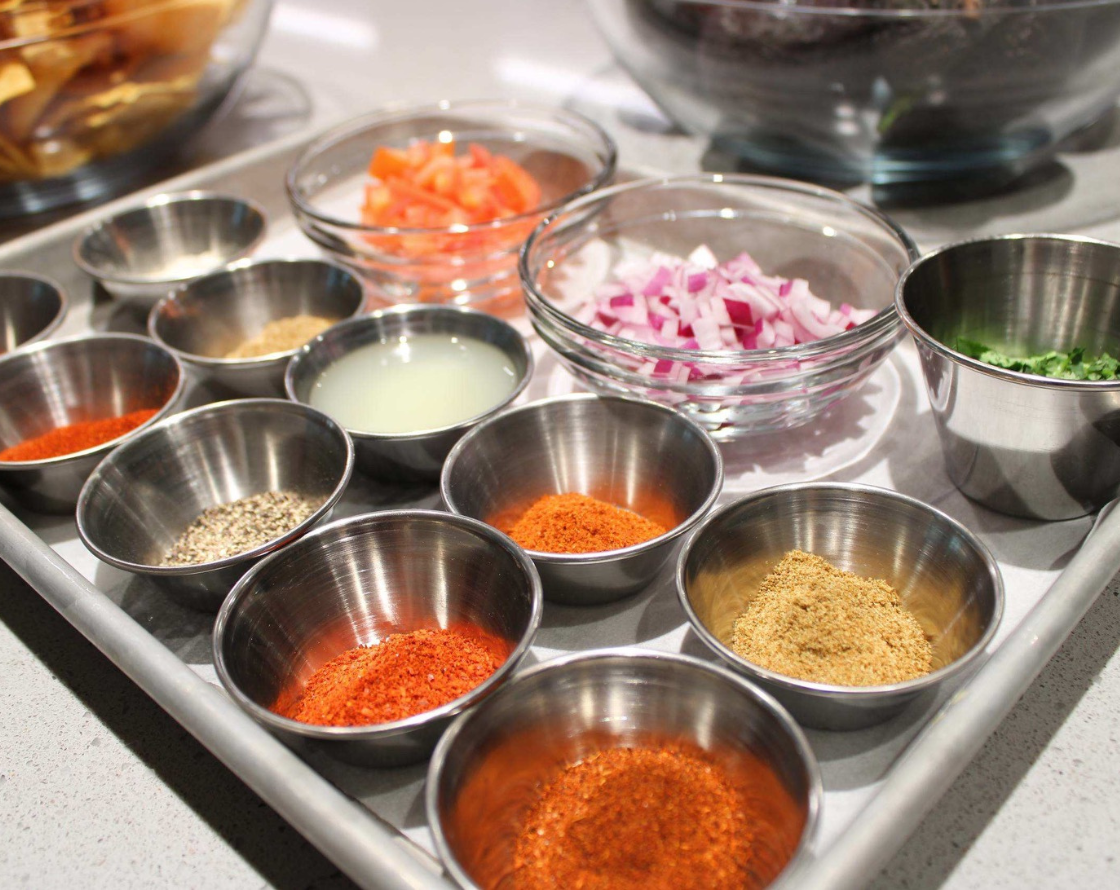
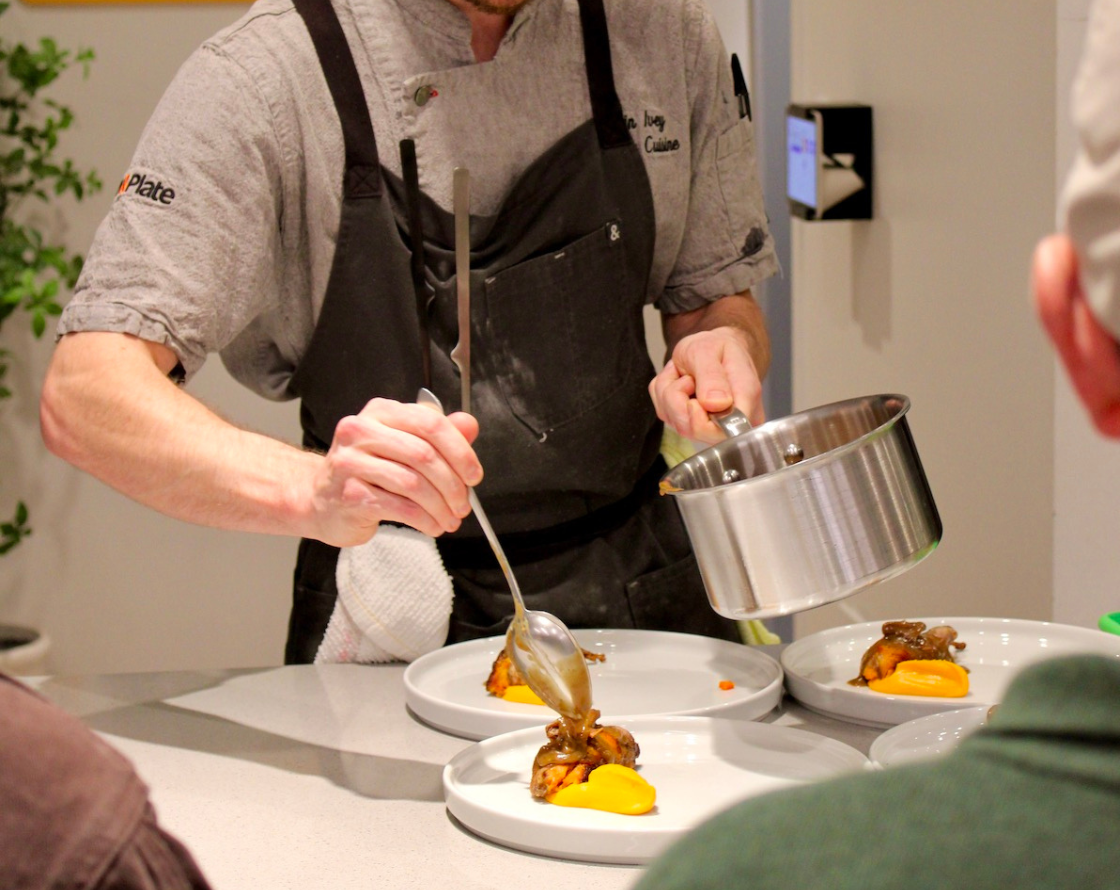
A teaching kitchen is a hands-on culinary experience offered to employees as part of their workplace. A LifeWorks chef leads a small group through cooking a dish, start to finish, usually in about an hour, after the lunch service winds down. Participants cook alongside the chef rather than watch from their seats. Menus move with the seasons and with what people ask for more of: tamales, hand-pulled dressings, knife skills, empanadas. At the end, everyone takes home what they made, along with any sauces or tips and a branded recipe card that joins a growing library at the entrance to the space.
In practical terms, it is the kind of cooking class someone would pay for on a weekend, offered at work, on company time, at a subsidized price.
Why it Works as a Benefit
The value of a teaching kitchen is not the recipe. It is what happens around it. Employees leave connected to each other, curious about something new, and aware that their workplace gave them an experience they could not get anywhere else that day. It brings people onto campus on the days that would otherwise go quiet, and it gives teams a reason to gather that has nothing to do with a meeting.
The engagement shows. In one location, roughly eighty percent of enrolled participants show up, there is a waitlist most weeks, and when a spot opens it fills the same day. People sign up again, which is the only measure of success that matters for a benefit built on experience.
LifeWorks Builds the Program First, Then Fits it to the Space
Most conversations about teaching kitchens start with a room: a purpose-built space, fully equipped, designed for nothing else. That room is a gift when it exists. It is not the starting point. LifeWorks starts with a question: what do you want your employees to feel when they leave on a Wednesday afternoon? The program is built from that answer outward, and it looks different in every workplace because it is designed to.
Where the space is built for it, a dedicated kitchen sits inside the dining area with a dedicated chef who programs around seasonality, cultural moments, and the sign-up list. That structure supports more: business resource group partnerships, hybrid sessions for distributed teams, and a monthly craft-focused class that draws the same crowd in on quieter days.
Where there is no dedicated kitchen, the program adapts. Tables move. Class size flexes to what the space and the electrical load allow. The cadence shifts. What does not shift is the experience: the same branded recipe cards, the same programming logic, the same moment at the end where someone takes home what they made and something they learned. Constraints are a brief, not a barrier.
Where wellbeing leads, the format changes again. Inside one whole-health fitness center, the kitchen is oriented entirely around employee wellness. A registered dietitian co-creates the programming, every class ties to a health theme, and weekend cooking-with-kids sessions bring in families, not just employees. Same underlying logic, built around what that culture is trying to do.
And when a room is not needed at all, a chef table does the work. A ten-minute demonstration in a café corridor, fresh mozzarella pulled in front of an audience, questions answered on the spot, is a teaching kitchen in everything but square footage. Pop-up formats travel, they suit locations that cannot commit to a weekly class, and they often prove the idea before a client invests in dedicated programming.
What Stays Constant
Across every format and every floor plan, a few things hold. Someone on the LifeWorks team knows this space, this schedule, and what this group of associates responds to. Programming is intentional and sequenced across the year, not booked one class at a time. The branding is consistent enough that an employee who took a class in one location recognizes it in another. And the measure of success is never whether the class ran on time. It is whether people signed up again.
The Takeaway
A teaching kitchen is not a question of square footage. It is a hospitality decision, and one of the most tangible benefits a workplace can offer its people. LifeWorks builds the experience first, and the space rises to meet it. For any organization waiting on the perfect room before investing in what its employees experience, that wait is the only thing standing between the culture they have and the one they could build.
Imagination Well Served.
At LifeWorks Restaurant Group, we turn bold ideas into refined hospitality experiences. Rooted in your culture and guided by a sophisticated perspective, we craft thoughtful, elevated experiences that leave a lasting impression. For organizations that treat food as a strategic amenity, that experience becomes the reason people come in, stay, and connect. Imagination Well Served.
Sign Up for News Alerts