.png)
Today’s employees are looking for connection. It’s the operator’s job to view the workplace differently and to educate clients about forging into the future and bolstering company culture.
On May 8th, Aramark had the pleasure of attending the 2024 National Automatic Merchandising Association (NAMA) show and participating in the show’s Educational Series. Our team hosted a panel discussion on Elevating Customer Experience: Employee Engagement Essentials. The moderator, Pamela Raskin, Aramark Refreshments Vice President of Innovation & Customer Experience, sat down with Melissa Alexander, Principal of Multistudio, Deborah Tripp, Aramark Collegiate Hospitality Sr. Vice President of Marketing, and Peter D’Angelo, Citi Sr. VP of Dining & Hospitality.
Through a dynamic exchange of questions and thought-provoking conversations, our team delved into the components of building community through a next-level break experience, including experiential design, insights, and product innovation.
We are thrilled to share the top insights that resonated most with the audience and takeaways that will redefine the workplace experience where convenience, comfort, community, and engagement collide.
.jpg)
“What does the ultimate dining experience look like?” Deborah Tripp - Aramark Collegiate Hospitality, Vice President of Marketing
With Gen Z and students entering the workforce, it is important that this generation's wants and needs are reflected in the workplace experience. The ultimate dining experience needs to be imaginative, continuously infusing innovation into menus with authentic offerings. Students are used to walking no more than 3 minutes to dine, so there needs to be extremely convenient, high-quality options that are still affordable and fast-paced. This new workforce will crave an imaginative and stable program full of like-minded people that provides flexibility where quality choices are available to fit their lifestyle. This generation is made up of activists who want to work for a company that upholds and promotes their values. Companies must turn confrontation into conversation and mold experiences and programs that attract the new workforce to create the ultimate dining experience for all.
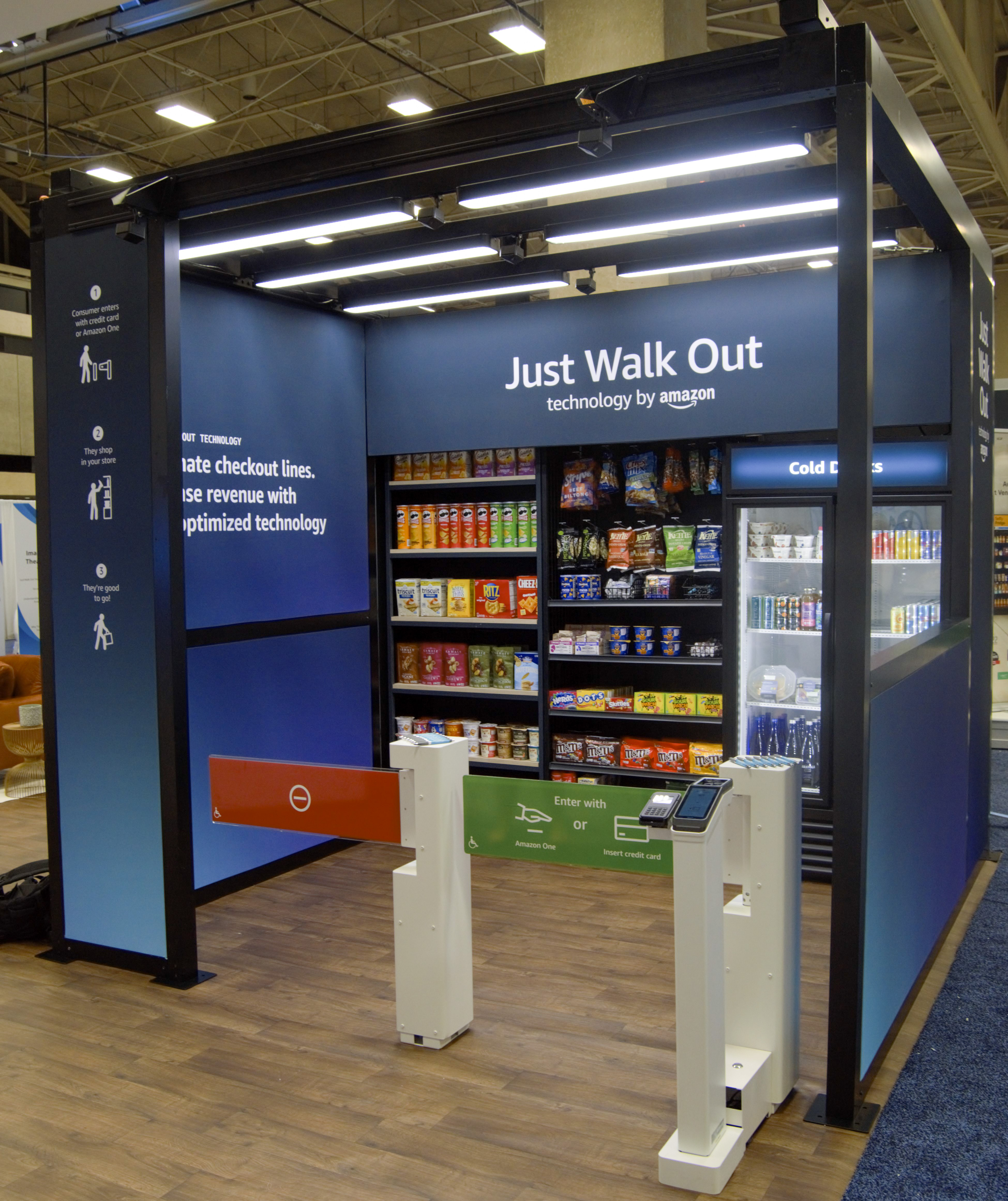
“The experience in the breakroom can be used as an extension of the company's vision and values and also an opportunity to enhance the employee experience.” – Pamela Raskin, Aramark Refreshments Vice President of Innovation & Customer Experience
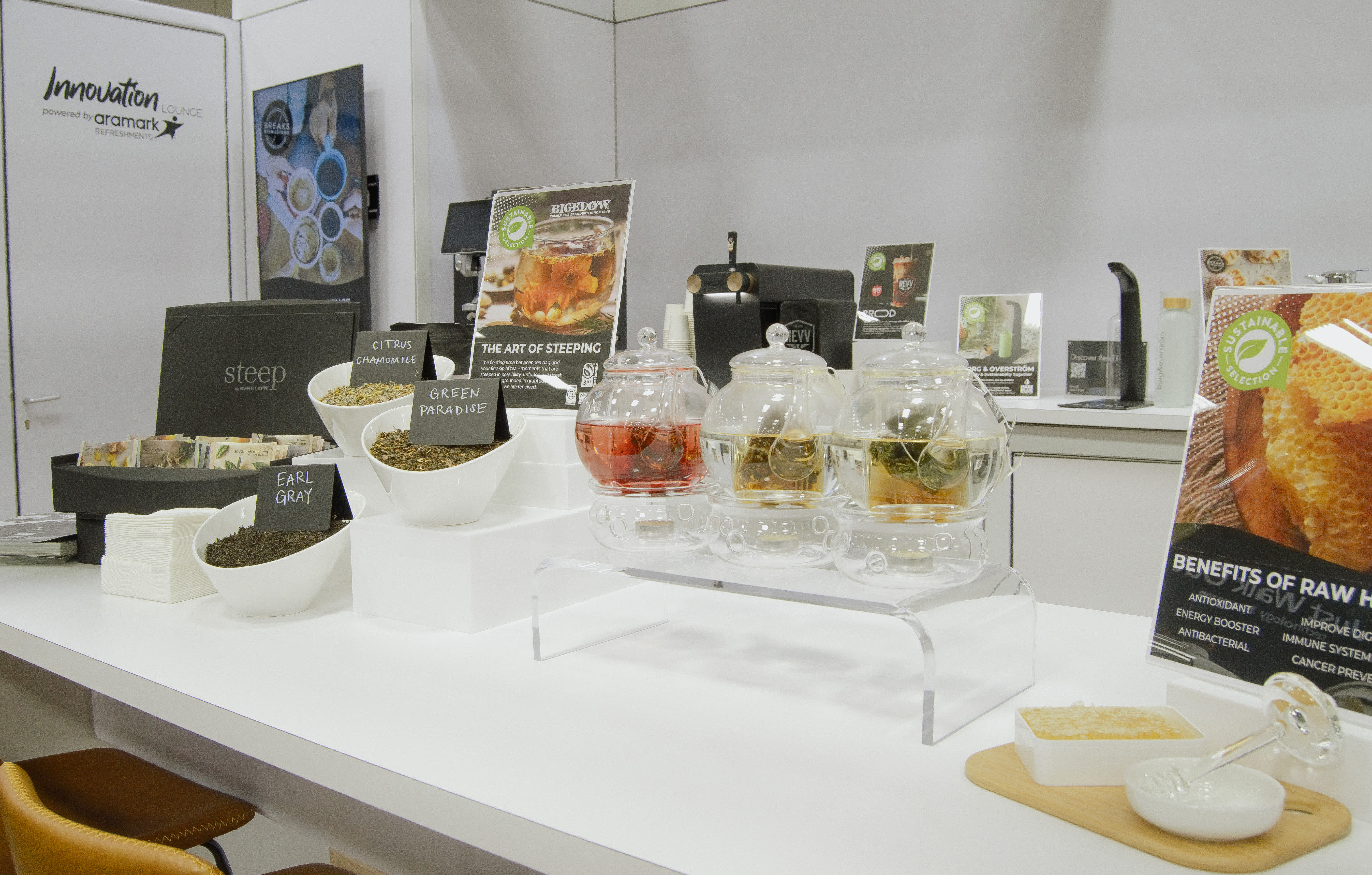
At Aramark, we curate programs for each individual client, and we do this by taking what’s important to them as a company, from sustainability, wellness, and DE&I, paired with what’s important to their employees. Everything from the type of coffee beans and local snacks to seasonal promotions and pop-up activations are opportunities to enhance the employee experience while seamlessly tying in a company’s vision. Consumers are actively looking for local and regional brand food options as well as a larger variety in convenience and wellness options. For years to come, wellness and local will continue to drive product offerings, but sustainability and technology will drive business.
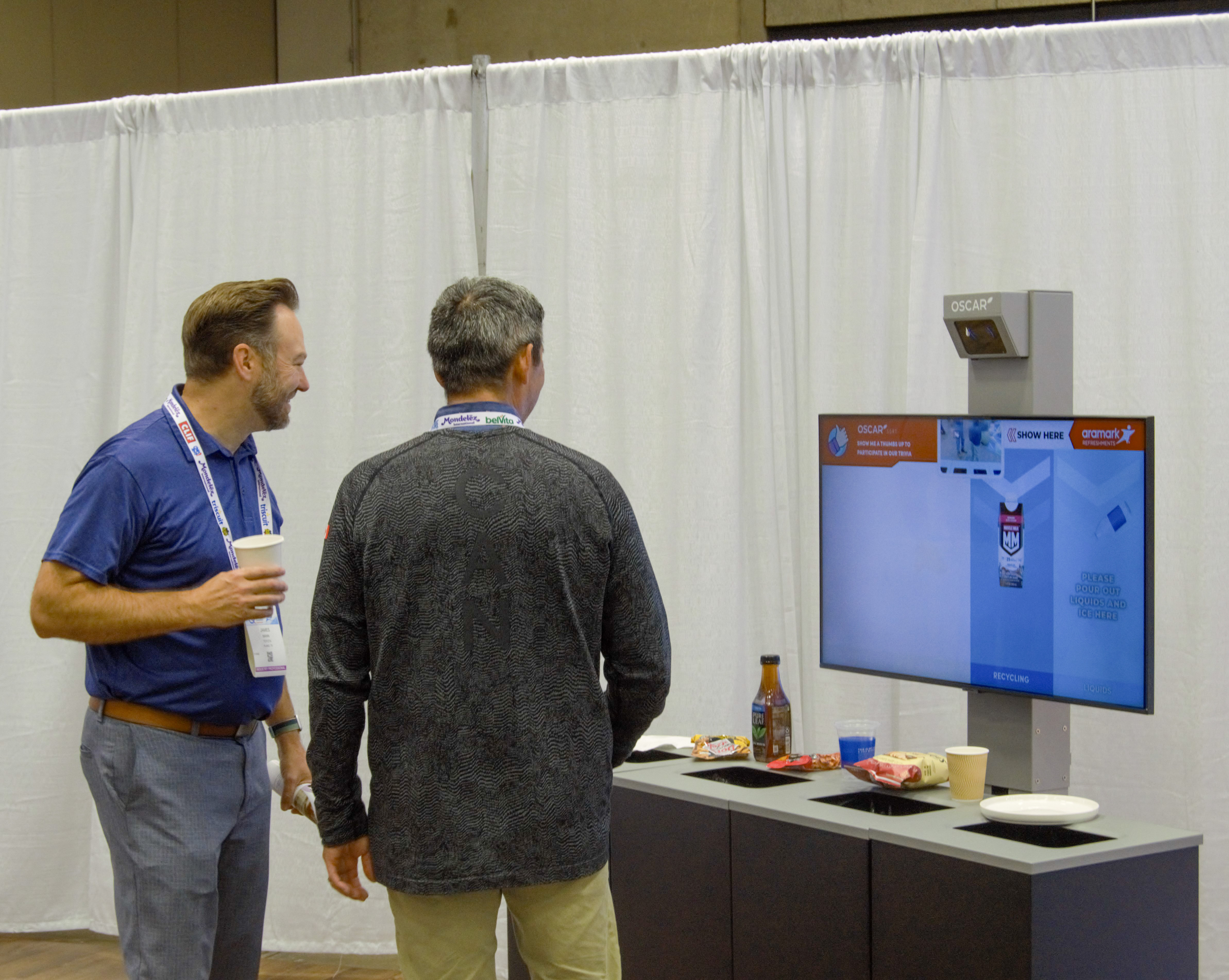
All touchpoints within the workplace experience, from arrival to work to breaks and beyond, matter in making employees feel welcome and engaged.
Breakrooms and pantries have become the places for employees to not only refuel but to restore, gather, engage, connect, and collaborate. It is essential that companies take on the responsibility to build these spaces. Our workforce now more than ever uses collaborative spaces. Nothing is insignificant from the time they park their car to when they walk out the door. Companies must put themselves in the shoes of their employees to create interstitial moments and spaces that feel different from the normal workspace. This new “water cooler break space” will encourage and fuel a sense of community, aiding in employee engagement and ultimately helping drive the company’s growth.
“As we get further into the future with AI we can have a greater understanding of what our consumers are purchasing, and we can integrate what the individual needs are, not the group as a whole.” - Peter D’Angelo, Citi Sr. VP of Dining & Hospitality
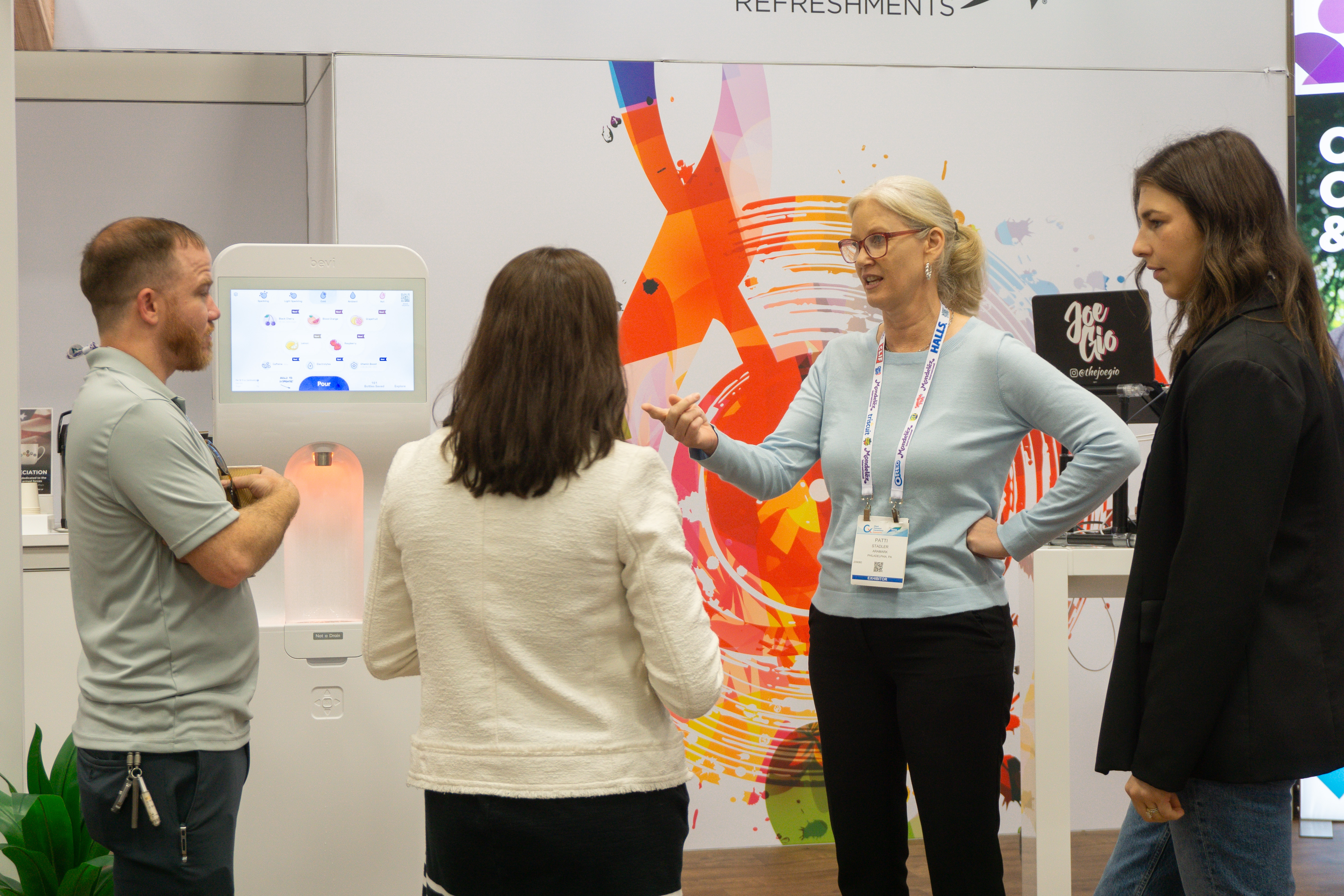
When designing a “modern workplace” environment, it is important for companies to understand their employee mix, seeing that there will, for the most part, be a wide variety of generations. They need to understand where their wants and needs will vary in order to create a successful workplace environment and desire to come into the office. A variety of working styles will greatly impact an amenities strategy, ranging from customized break spaces to child care services and maker spaces. Whether it is for collaborating or heads-down focused work, Tech plays a big role in designing this workplace environment. Consumers are looking for a seamless experience at the workplace and to be equipped with the appropriate technology. As employee needs continually shift, it is important for technology to be flexible and to adjust to their habits, allowing consumers to have a one-stop shop at their fingertips.
“We hear a lot about work-life balance, but if you dig deeper, it is really about the seamless integration of wellness; from home life into their daily work life.” - Melissa Alexander, Principal of Multistudio
Wellness today encompasses more than just employee health and relates to the well-being of the company as a whole. There is an uptick in architecturally integrated wellness including outdoor areas and access to natural daylight. Health and amenities such as Minute Clinics, wellness floors, spas, meditation rooms, rewards programs for active living, and more are also an increased importance. Companies should be transparent about where their food ingredients come from and provide healthy and diverse food options. This puts power into the employee’s hands and provides an educational opportunity for them to be knowledgeable about the meals they choose. A sustainable program needs to be put into place with a heavy priority on physical areas for trash and recycling education. Often, the younger generation will work at home if food offerings at work have a lot of single-use plastics or un-recyclable packaging or if the company doesn’t offer recycling. It is important for companies to prioritize the sustainability of their building and food programs while providing wellness options that integrate the benefits of work from home.

