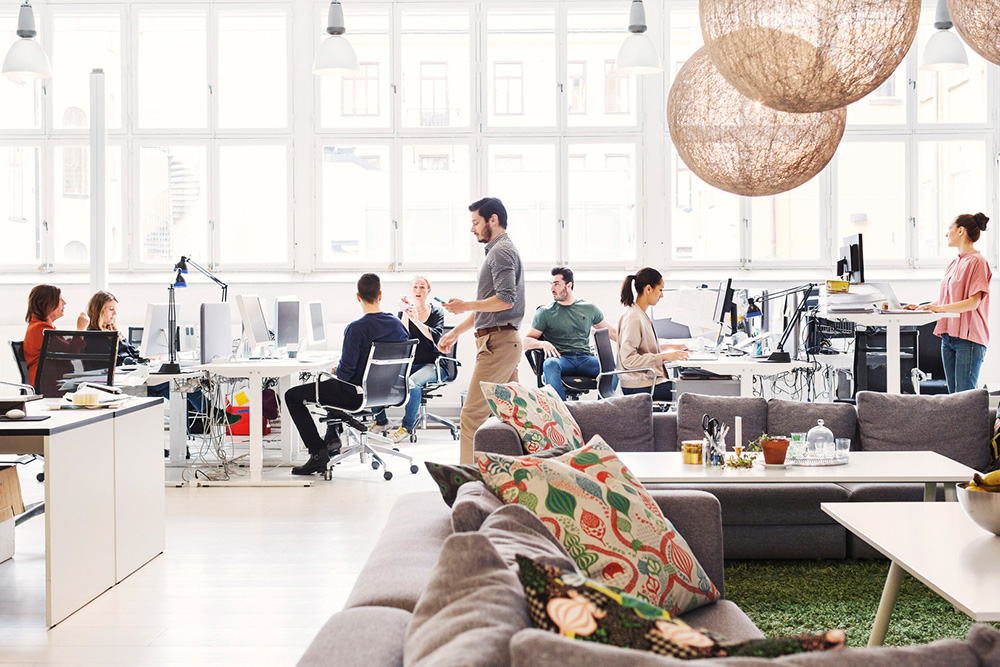
Few aspects of our society have been reshaped by the pandemic as dramatically as the workplace. As COVID-19 becomes endemic and more professionals return to in-person and hybrid work, business leaders are grappling with how to adapt.
It helps to consider this landscape as not entirely new, but one that has been evolving since well before 2020. “The pandemic accelerated trends that were already in place,” says Juli Miller, Vice President of Insights and Analytics. “The modern workplace may look a bit different than it did before, but culture is still at the core.”
Miller’s team works in lockstep with our lines of business to dissect current trends and leverage our deep understanding of the people we serve, transforming that knowledge into forward-thinking amenity solutions. This includes partnering with the Aramark Workplace Experience Group (formerly known as Aramark Business Dining) to guide our clients through the return to the office and what KBS recently dubbed “the great accommodation.”
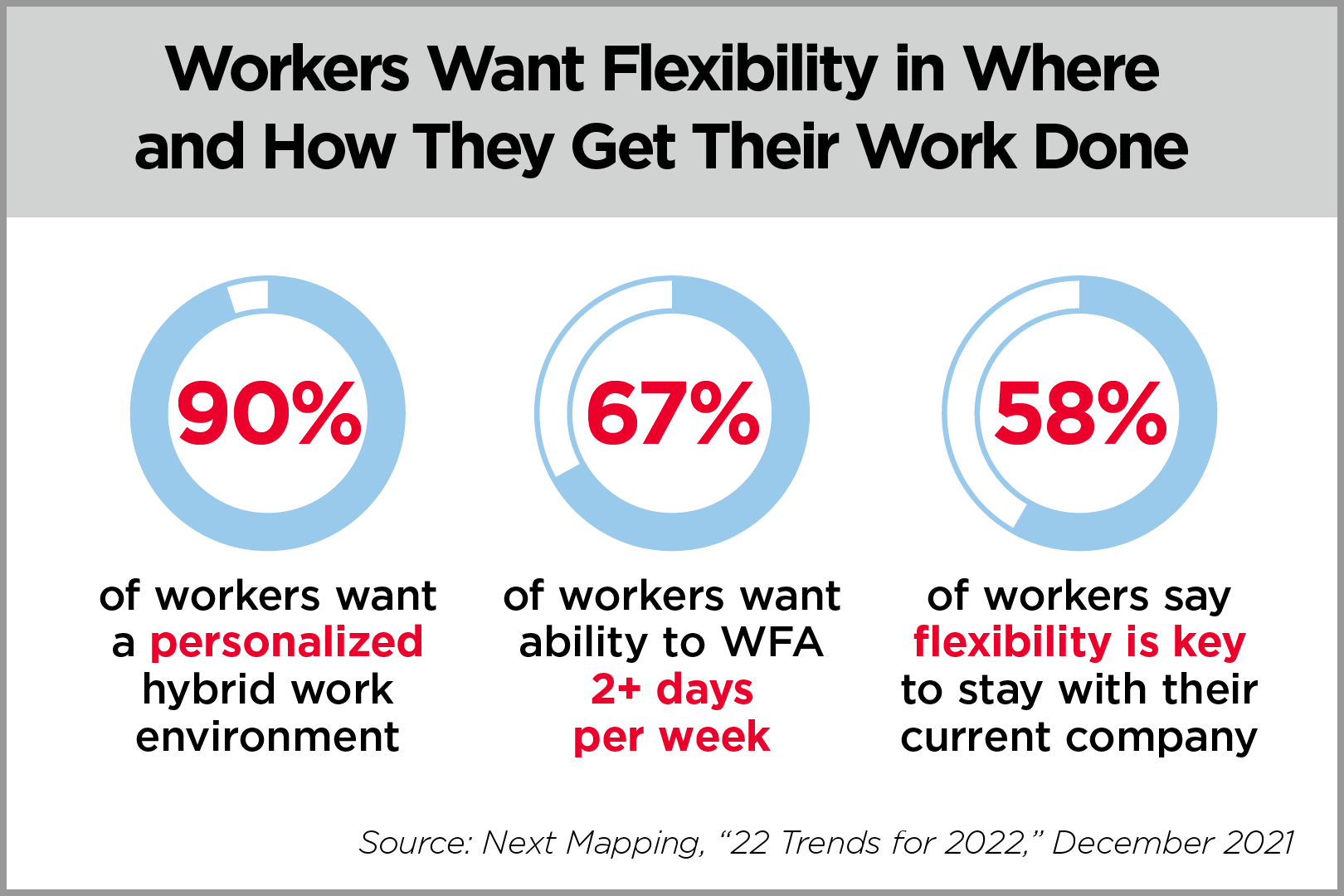
Employers’ overarching goal remains the same as ever: to attract, engage, and retain the very best talent in a highly competitive job market. Our role is to facilitate a positive return for our business clients and guests through amenity innovation.
What Has Changed
Not too long ago, cafés and other company perks were about fostering productivity. People needed to get back to their desks to complete their work, so onsite services were both convenient and efficient. With the explosion of communications and information technology, employees could log in from the coffee bar or the outdoor courtyard. From there, companies leaned into “the Google effect” and its proliferation of brag-worthy benefits: free food, video games, campus shuttles, even Bring Your Dog To Work Day.
“Along the way, emphasis began to be placed on the workplace experience, and services like food were recast as amenities,” explains Diane Pancoski, Vice President of Marketing and Strategic Initiatives, Workplace Experience Group. “Where workplace amenities once supplemented businesses, now they are a key driver of business results.”
That same technology has enabled people to work from home for the last two-plus years, and rather comfortably at that. Which now begs the question: Why do I have to come into the office at all? That, Miller and Pancoski agree, is the sentiment employers must overcome to attract their workforce back into buildings. As Pancoski puts it: “Employees are saying, ‘Give me a sense of purpose. Give me a reason to commute when I could be at home.’”
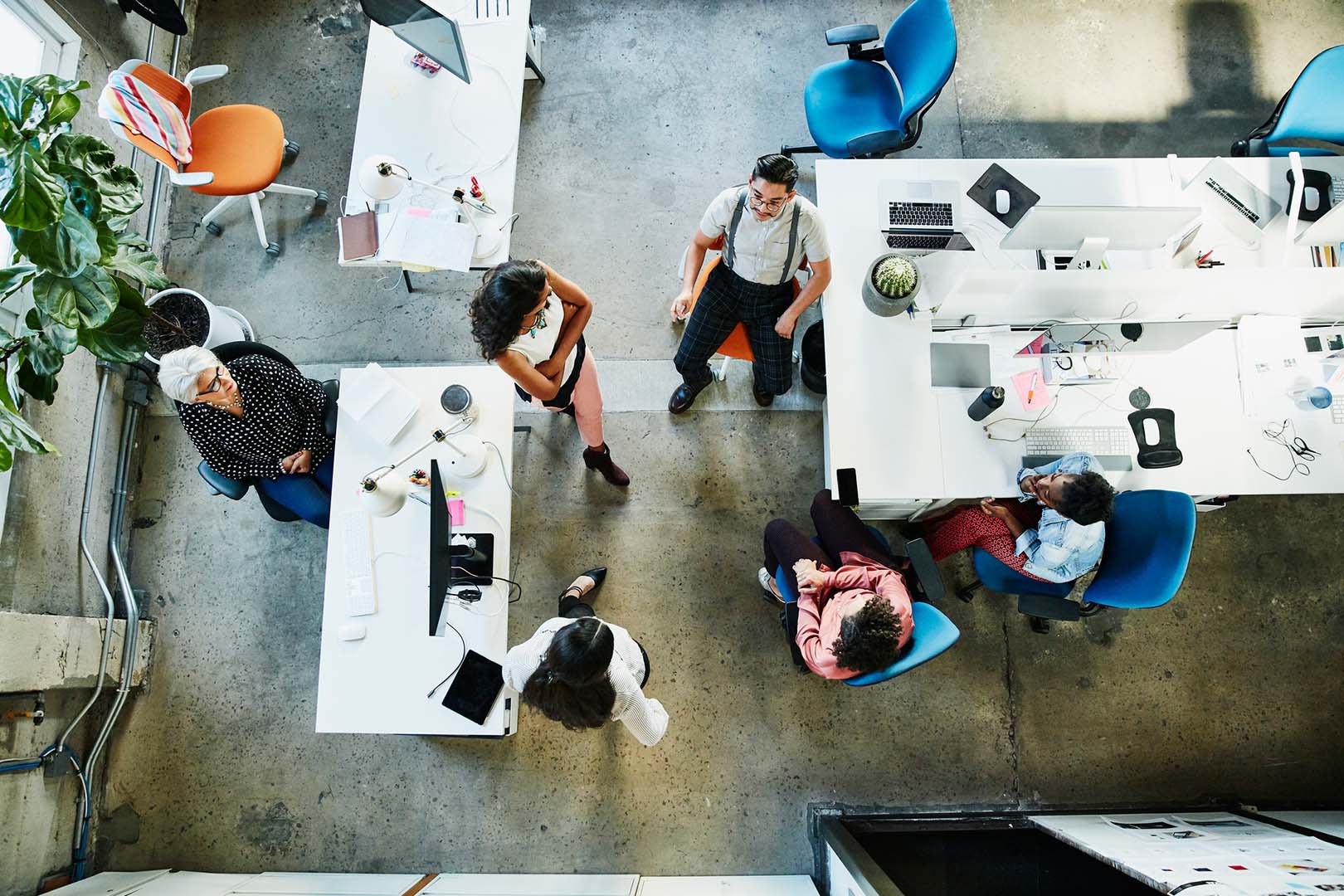
Data shows that early-career professionals, namely Gen Z, are most eager to return to the office and take advantage of in-person opportunities.
What’s more, the working-from-home experience set a high bar for collaboration, connectivity, and work-life integration. “If someone is enjoying an innovation in their personal life, they expect to use it in their professional life,” Miller states. “It is up to us to meet those expectations and provide that cutting-edge technology, experience, or amenity.”
What Companies Are Doing
Companies fall along a wide spectrum of readiness when it comes to reopening their physical doors. Some are already back in person full-time, while others are still holding off. COVID-19-related safety measures must take precedence, but they are simply one piece of the transition planning puzzle.
We’re helping clients reimagine their workplace amenities through the latest lens. Here’s what we’re seeing at companies around the country.
Complete culture shifts: Clients have gone as far as to change their workplace dynamics to align with employees’ new desired ways of working. This can happen through food, meeting formats, even dress codes. “I’ve seen clients wearing jeans when they used to be all power suits,” Pancoski shares. “That tells us a major culture shift is happening.”
Complimentary food and beverages: Free breakfast, lunch, and snacks rank high as a way to attract people back into the office. One client is serving as many as 12,000 free lunches at its New York City headquarters every day. And now more than ever, that food is likely to be sourced from small and minority-owned businesses — a growing priority among younger consumers especially.
Free parking and public transportation subsidies: Transportation benefits can make a big impact on those who have gotten used to not paying for their commute.
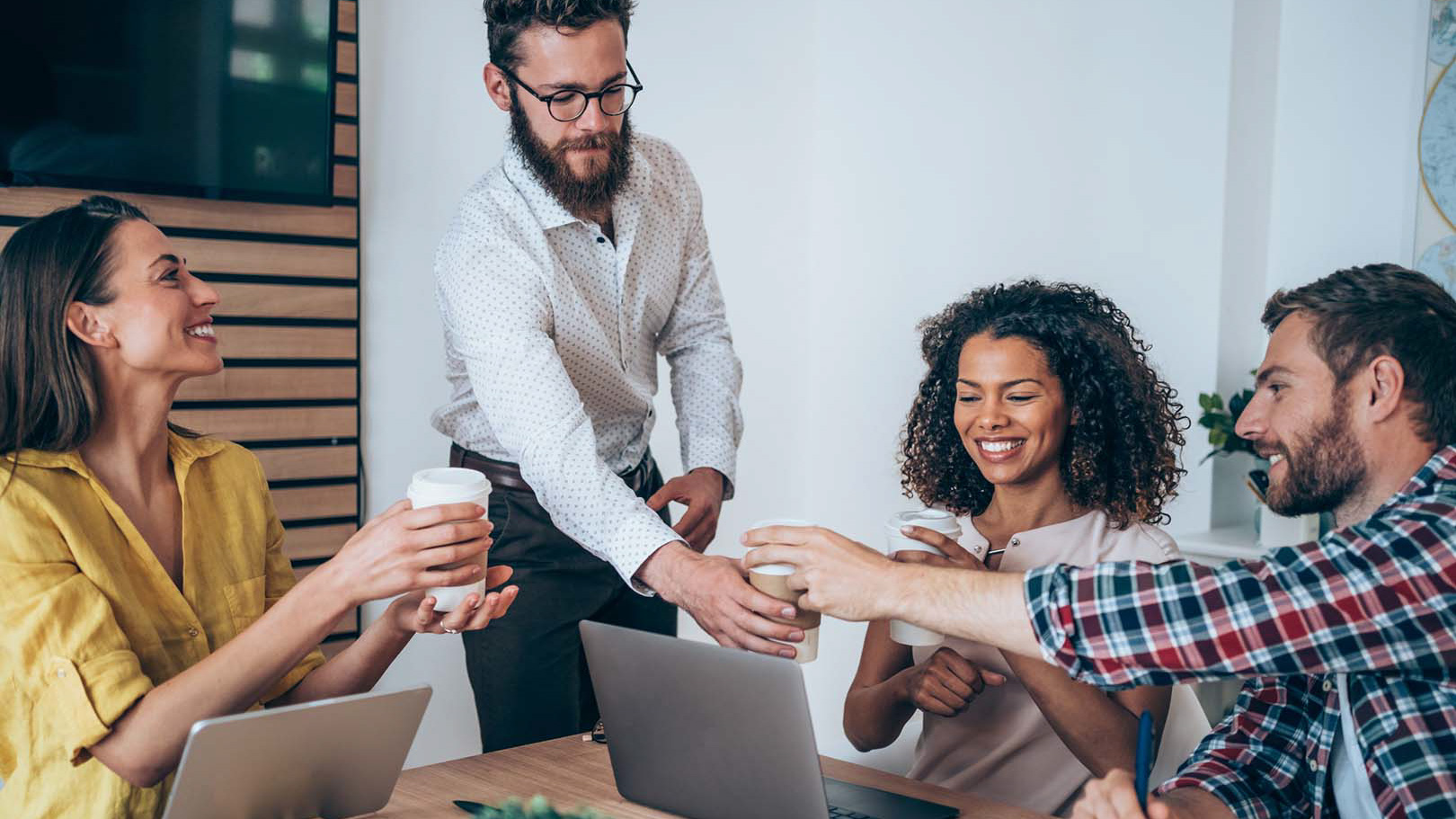
Food and beverage moments can balance a person’s need to feel unique and special with a desire to be part of a larger community.
Inviting spaces: Office interiors are being redesigned as destinations, with elements of the outdoors that evoke warmth, comfort, and familiarity. The ideal workspaces are also agile enough to accommodate all types of work, plus socializing.
More work-life integration: The pandemic changed the way people lived and worked; it wasn’t unusual for someone to tackle meetings, household chores, meal preparation, and even childcare in any given afternoon. People still want to take care of both personal and professional things during the workday — and the office must catch up. “Workplace amenities like onsite pharmacies, banking, and fitness classes can really enable people’s days,” says Pancoski.
Frictionless experiences: In a 2022 workplace you might be greeted in the lobby by a robot bearing free snacks, or grab lunch at an AI convenience store without ever touching your wallet. These technology-enabled amenities are now more relevant than ever, and they serve multiple purposes. “Frictionless experience can surprise and delight consumers, add to their sense of safety, and make their lives much easier. Plus, there’s a cool factor,” says Miller.
Greater access to community: For all its advantages, remote work doesn’t offer as many opportunities for people to socialize spontaneously. This is the power of food and beverage moments like coffee breaks, lunchtime, and happy hours. “With the return to the office, people are excited to get to know each other again,” Pancoski explains. “Companies are prioritizing ways for their teams to feel that energy that can only happen when you’re physically with people.”
Want to see more like this?
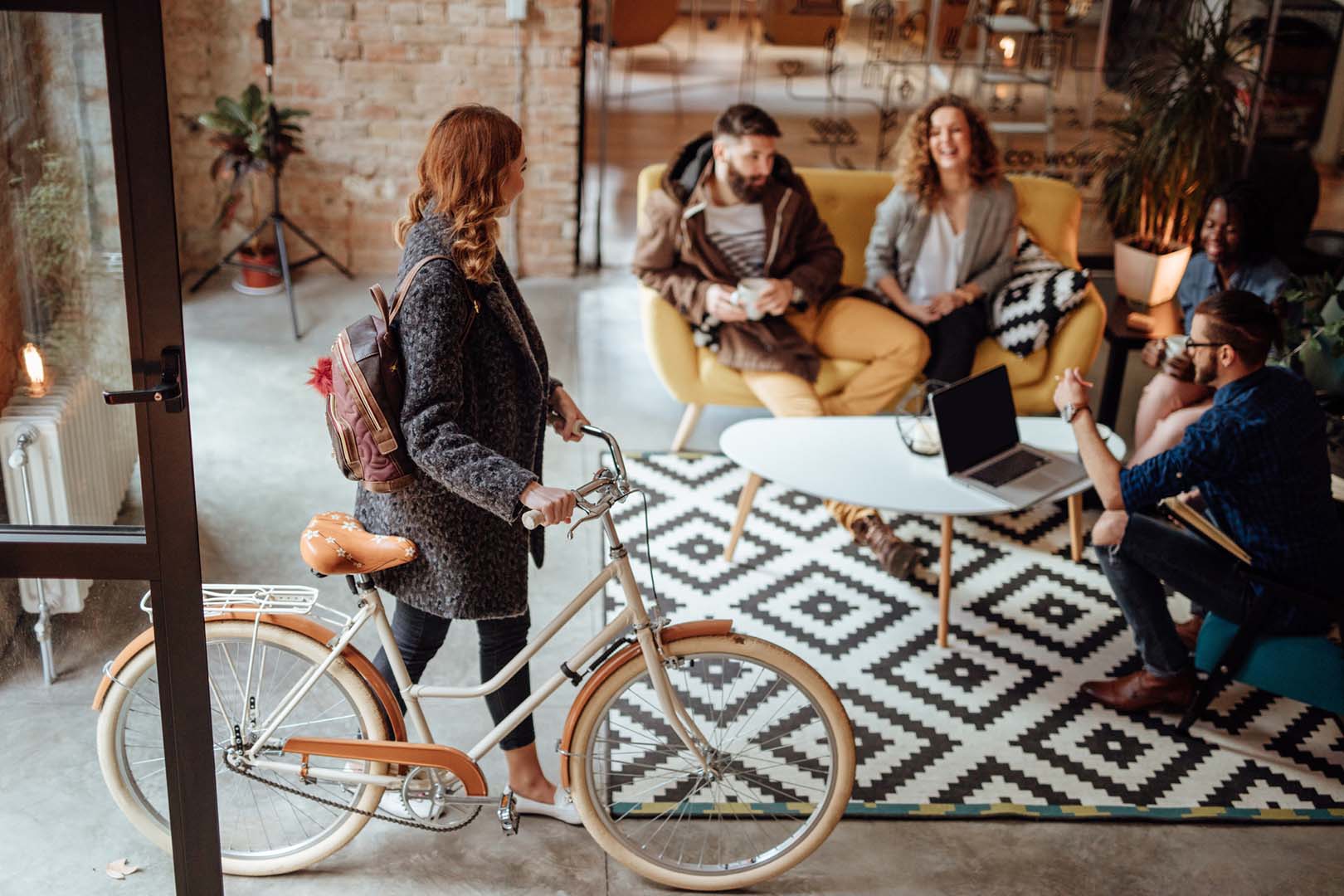
A “resimercial” design approach brings a sense of warmth, comfort, and familiarity to workspaces.
Interactive experiences: Leading companies are taking culture a step further with interactive group experiences, from karaoke nights to wine tastings. Not only do such activities foster bonding among colleagues, but they can accommodate both live and online participation.
Well-rounded wellness program: The pandemic taught us, among other many other things, to value our physical, mental, and emotional health. It behooves employers to focus on holistic wellness in the workplace. “It’s not just about the fitness center anymore. We’re seeing tons of wellness programs being implemented to help people engage, relax, and be more thoughtful around the work day,” says Pancoski. Serving up healthy, functional foods provides another opportunity to integrate wellness into the workplace experience. Experts also predict future investments in biophilia, ergonomics, and activity-based working styles.
Equity and flexibility: With a hybrid work model, companies must devise ways to extend benefits to employees who still work from home at least some of the time — lest they inadvertently create a system of “haves” and “have nots.” One example is offering daycare and gym stipends instead of onsite access, so employees can access those benefits no matter how often they come in. “The amenity doesn’t go away, but the way it’s delivered can be quite different than before,” Miller elaborates. “It allows employees to personalize the amenities in the way that works best for them.”
Welcome Back
Now more than ever, thoughtful workplace amenities are an important way companies can make their employees feel appreciated and valued. From the break room to the board room, there are countless opportunities to create meaningful experiences and make someone’s day. We’re committed to meeting each of our clients where they are, so they can meet their employees where they are.
Says Pancoski: “We want to create experiences that people want and expect from their return to the office — so they feel really good about it.”

