
We are committed to fostering a supply chain that is as diverse as the clients and communities we serve. It’s one of many ways we seek to leave a positive impact on people and the planet.
Among the biggest challenges in that effort—made all the more evident during the COVID-19 pandemic—is finding viable suppliers and vendors that are small, diverse-owned, and locally based. For such companies, inclusion and opportunity are the steppingstones to growth. To support our supplier diversity goals, we have sponsored a series of mentorship programs geared toward these exact businesses in key U.S. markets.

The mentorship programs are designed to help MWBEs scale their businesses and potentially join our supply chain of small, diverse-owned suppliers.
What’s more, many of the programs’ mentors, speakers, and coaches are none other than our own employees. Driven by a deep sense of purpose, they’re sharing their time and expertise to help minority and women business enterprises (MWBEs) compete in the marketplace.
Read on to learn about our MWBE mentorship programs and the lasting impression they have left on participating mentors and mentees.
Building Capacity for Growth
At their core, our small-business mentorship programs offer skills-based training, resources, and access to subject matter experts. Our partner organizations are leaders in supplier diversity, advocacy, and community empowerment, and based in areas such as Chicago, Philadelphia, and Southern California.
The mentorship programs are open to suppliers currently in our supply chain as well as those seeking to work with us in the future. By the time MWBE owners graduate, they have a firm grasp of the standards for working with a global company such as ours, plus how to get there. Along the way, we are able to establish deeper, more proactive relationships with MWBEs in these locations, which keeps them top-of-mind for future opportunities.
And—because timing is everything—the mentorship programs are helping these predominantly Black- and Brown-owned companies recover from the economic effects of the pandemic. That wasn’t exactly the plan when we first partnered on the Progress, Insight & Performance Education (PIPE) Program in Chicago in late 2019, but it soon became the reality. In many ways, the mentorship programs have been a lifesaver for the participating entrepreneurs.
Want to see more like this?
COVID-19 also forced the programs to go virtual, a shift that made them accessible to a wider range of companies. In 2021 we saw participation from businesses as far as Florida, Michigan, Missouri, and Arizona. It’s a vote for maintaining a hybrid approach once in-person classes and meetings are the norm again.
While all the programs are designed to help MWBEs build capacity and thrive, the formats vary. The PIPE business management course is eight weeks long and follows a small-cohort model, conducted in partnership with ChicagoMSDC, a regional affiliate of the National Minority Supplier Development Council. Meanwhile, the Centers of Excellence, presented by the Southern California MSDC and Eastern MSDC, combines speaker sessions with one-on-one executive coaching. The Venture Mentoring Team program, executed by the Greater Philadelphia Hispanic Chamber of Commerce, certifies professionals to become small business mentors and pay it forward.
The speakers, mentors, and executive coaches come from all corners and all levels of our business. Leaders of our employee resource groups (ERGs) stepped up to promote the volunteer opportunities as a way for employees to directly contribute to our work in diversity, equity, and inclusion (DEI). Here are three of their stories.
A Sounding Board for Neilly’s Foods
In her 15 years of working in restaurants, Jessica Tantin has learned a great deal about operations and people management. She brings that experience to her role as Resident District Manager at Boston University—and now as an executive coach with the Centers of Excellence mentorship program via Eastern MSDC.
“It is important to me to uplift the communities in which we live,” shares Tantin. “This program seemed like a great way to not only learn about new products and services from minority-owned businesses that we could partner with in the future, but also support them with their business needs.”
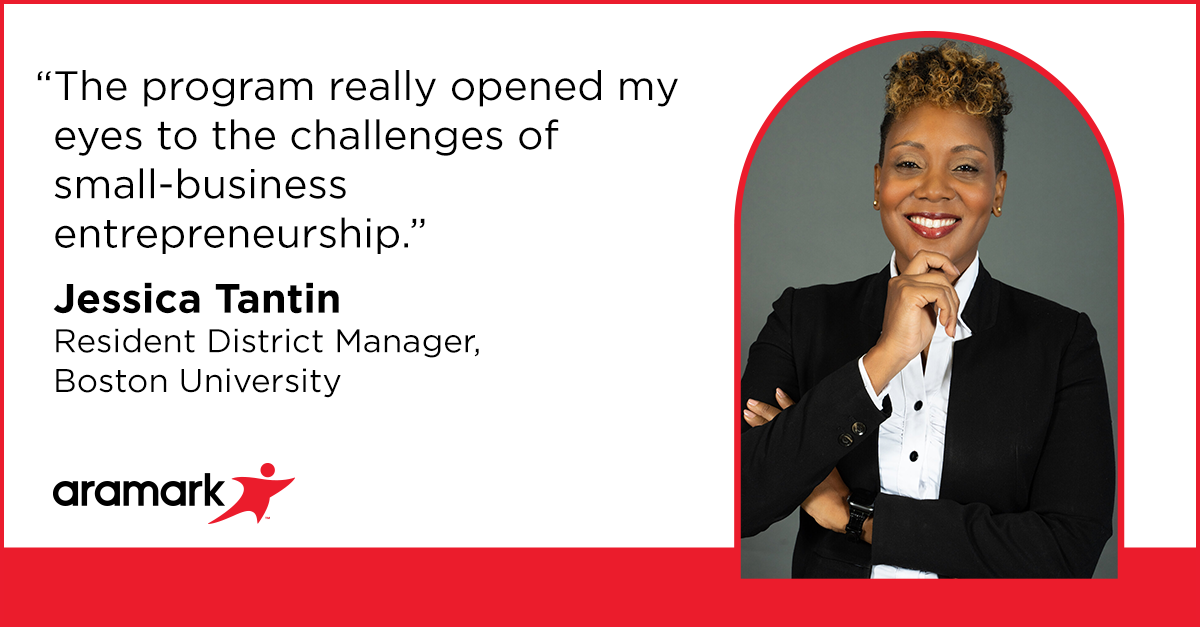
She learned how, after decades in business, Neilly’s Foods Co-Founder and CEO Albert Ndjee struggled to implement a strategic plan. The York, Pennsylvania-based entrepreneur sought to better serve his existing customers, diversify the company’s marketing, and build brand awareness. But wearing multiple hats prevented Ndjee from acting on a business strategy, so he wanted someone to hold him accountable. Tantin was eager to be that someone, effectively the “fresh set of eyes” he needed to innovate.
Together they worked one-on-one to clarify Ndjee’s goals and elevate his role within Neilly’s Foods, which produces globally inspired rice mixes, sauces, and other authentic meal solutions. They also connected over their similar cultural backgrounds. “The program really opened my eyes to the challenges of small-business entrepreneurship. They need all the help and support that can be provided,” Tantin says of the experience.
Supporting Continued Growth for Finger Licking Dutch Stroopwafels
Paul Sizer is a numbers guy. As our Vice President, Finance, and Chief Financial Officer, he knows how strong finances and management can drive performance for businesses, large and small. When he heard about the Centers of Excellence program, he jumped at the chance to volunteer.
“In business, we all face similar challenges. I wanted to provide an outside perspective and lessons learned from my experience, to help someone learn and grow,” Sizer says.
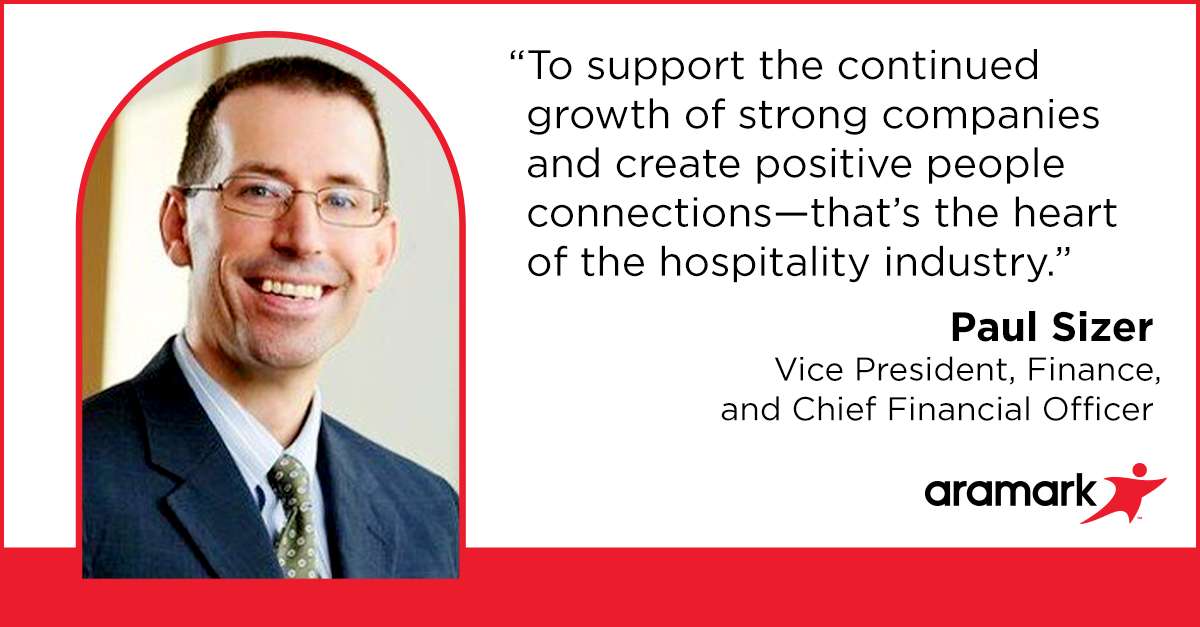
He was matched with John Bronson, a former NFL player-turned-co-founder of Finger Licking Dutch Stroopwafels, based in Philadelphia, Pennsylvania. The company was developing a team to support its tremendous growth, but Bronson also wanted to maintain the culture he and his partner have worked so hard to create. That meant adding the right support structure at the right time and in the right way. Thanks to the Centers of Excellence program, Sizer was there to offer that guidance.
Bronson emerged from the program with a greater understanding of food production and distribution, and grateful for the one-on-one attention from Sizer. “I really appreciated the time Paul took to understand my strengths and weaknesses, and to help me find new ways of doing things,” he says. “I will take what I have learned and strategically apply it to our company’s specific needs as we move forward.”
For his part, Sizer is excited to see where Bronson goes next with Finger Licking Dutch. “To support the continued growth of strong companies and create positive people connections—that’s the heart of the hospitality industry,” Sizer attests. “When we work together to share ideas and best practices, we are all the better for it.”
Helping StarLite Cuisine Adapt With the Times
StarLite Cuisine may be a small business, but their plant-based appetizers already appear in big-name food markets nationwide. As part of that grand supply chain, they have a front-row seat to shifting consumer trends and habits.
The changes posed by the pandemic were, of course, unprecedented. Jenna Hagerich, Vice President of Business to Business Marketing, felt uniquely poised to help StarLite Cuisine’s Founder and CEO, June Lim, think through those challenges and brainstorm new possibilities for moving forward. That was the crux of their coaching relationship, fostered by the Centers of Excellence program. “The program helped me identify new business growth and opportunities beyond our current retail space,” says Lim, who is based on Southern California.
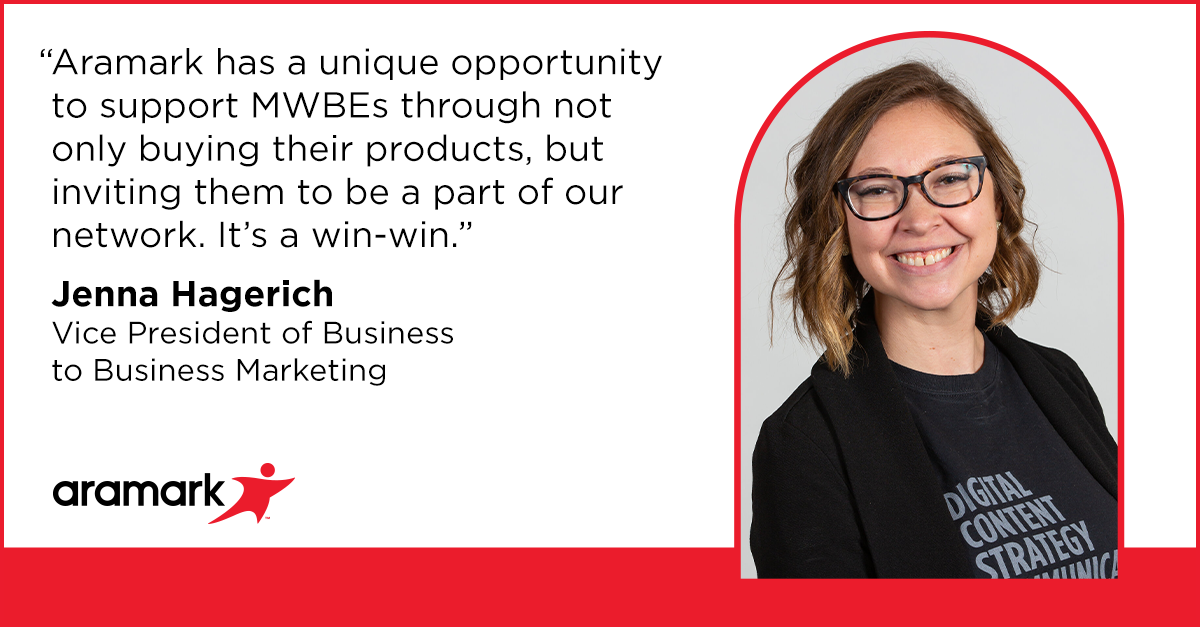
Next up, she plans to register StarLite as one of our approved diversity suppliers—and bring her lineup of rolled tacos, vegan taquitos, and vegan enchiladas to a brand-new audience. “Jenna was like a wizard, with answers to every question I had about doing business with Aramark,” Lim shares.
As it turns out, the learning went both ways. Hagerich was inspired by Lim’s brilliant instincts, resilience, and commitment to quality—traits that helped take her family’s longtime business to the next level. “I always look for opportunities to help bring a deeper purpose to my work,” Hagerich says. “Aramark has a unique opportunity to support MWBEs through not only buying their products, but inviting them to be a part of our network. It’s a win-win for customers and for communities.”

By going virtual, our mentorship programs could welcome participants from new markets.
The Power to Flourish
Together with our partners, we are actively building a stronger pipeline of market-ready, diverse-owned businesses nationwide. Entrepreneurs would welcome mentorship anytime—but these resources have become all the more relevant during challenging times. In 2022, we plan to continue the mentorship programs in existing markets, combining virtual and in-person opportunities where possible.
These programs are bigger than any one company or contract. When we help MWBEs compete in the global environment, the outcomes are magnified in terms of job growth, community engagement, economic empowerment, and ultimately a more diverse and inclusive supply chain.
And as these small businesses grow and flourish, their mentors at Aramark will be watching with pride.

