7 Innovations for Creating Healthier Environments in Healthcare
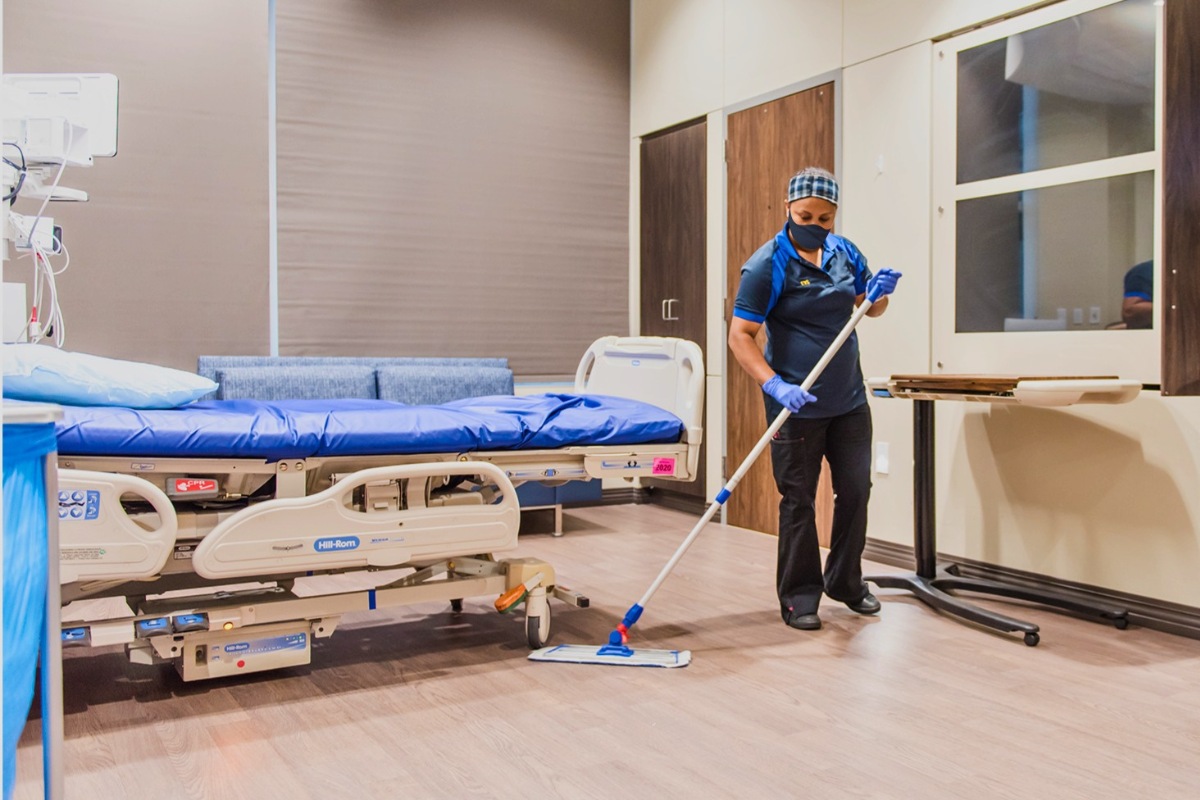
Employees, patients and visitors have higher standards for health and wellness than ever before. Healthy innovations in facilities are transforming environments and making them safer and more enjoyable places to work, recover and visit. Here we take a look at seven innovations that will help us secure safety every day.
1 | Demand-Driven Cleaning
Healthy Innovation:
IoT Room Sensors
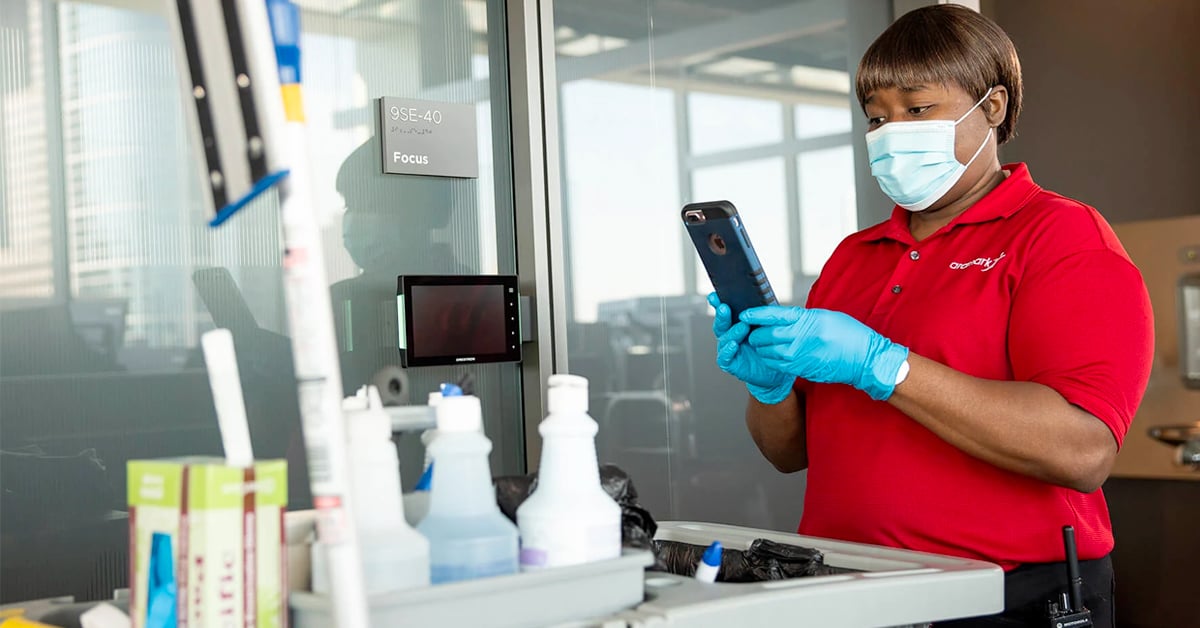
Meeting increased expectations for cleaning frequency can be a challenge for many organizations. Additionally, on any given day—whether during the pandemic or post-pandemic—it’s unlikely every space is being used or occupied. Knowing where unused spaces exist allows organizations to reallocate resources to spaces that need additional attention.
IoT sensor-based strategies give building owners real-time data and insights into how their spaces are used. Cleaning is delivered based on actual occupant usage, driving a visibly safer environment and improving resource allocation.
Benefits:
- Real-time building intelligence into occupancy and space utilization
- Meet increased cleaning expectations with existing resources
- Deploy services exactly where they are needed to boost satisfaction


2 | Remote Monitoring
Healthy Innovation:
AIWX Connect
Building performance data is an essential component for creating healthier and safer environments. Variables like social distancing, occupancy levels, space utilization, air quality, temperature, equipment vibration and occupant satisfaction all influence how organizations can create healthier environments.
AIWX Connect, for example, provides real-time insight into building performance through sensor technology. Data is used to adjust operations to improve service delivery and predict cleaning, operating and environmental needs.
For more information, visit our Intelligent Workplace Experience Page.
Benefits:
- Holistic insight into building operations
- Real-time data and building intelligence
- Improved occupant satisfaction and safety

3 | Autonomous Vehicles
Healthy Innovation:
Robotic Cleaning Machines
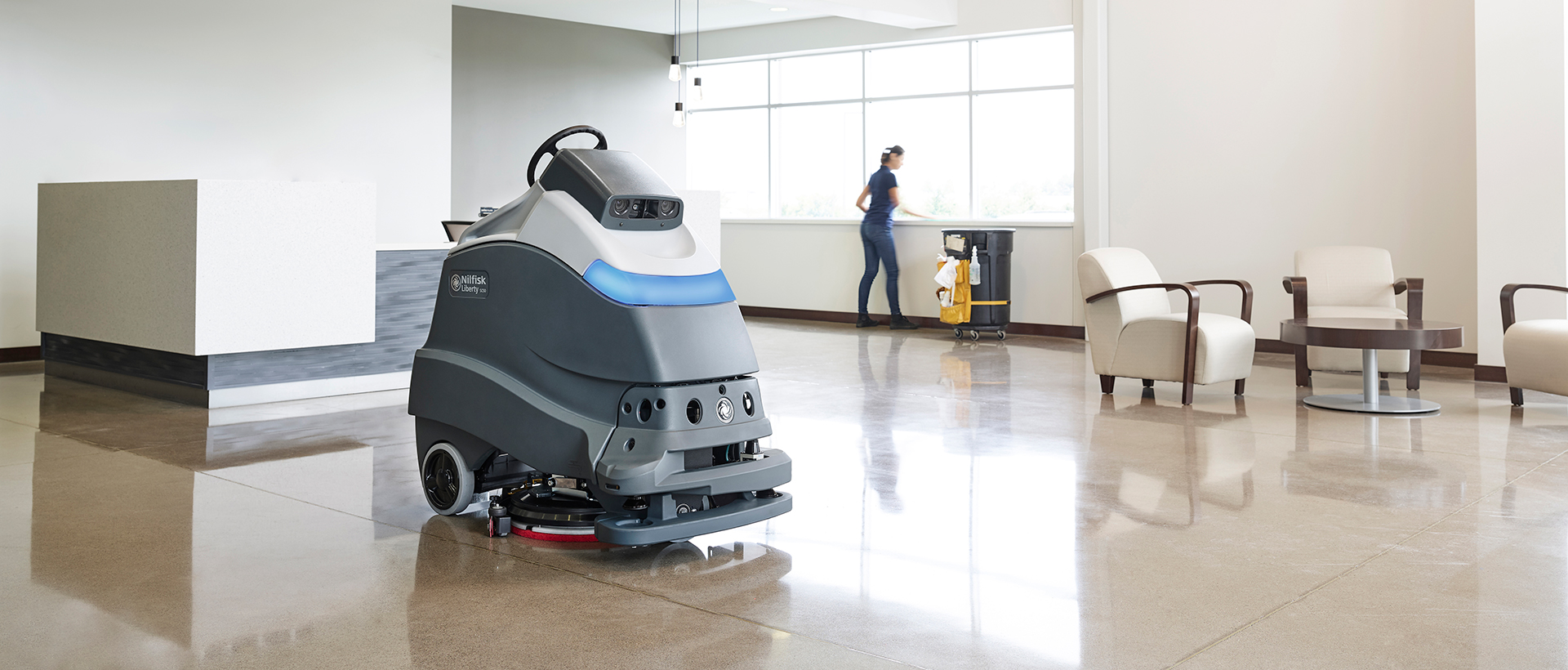
The use of robotic cleaning has gained traction during the pandemic. Organizations have increased adoption of these technologies, particularly for floor care. The ROI for the vehicles has been improving, thanks to such advancements as increased battery life, improved tracking, addition of UV-C and data analytics.
Benefits:
- Frees staff to focus cleaning on other areas of priority
- Safely cleans areas that could be harmful to cleaning staff
- Creates a public perception of health, safety and innovations
4 | Cleanliness Validation
Healthy Innovation:
Program to Verify Space Cleanliness
The pandemic has heightened everyone’s perception of cleanliness and safety. For example, 4 in 10 people feel less safe in a hospital since the pandemic began. Providing a clean and safe environment for all occupants helps breakthrough people’s fears and provides reassurance.
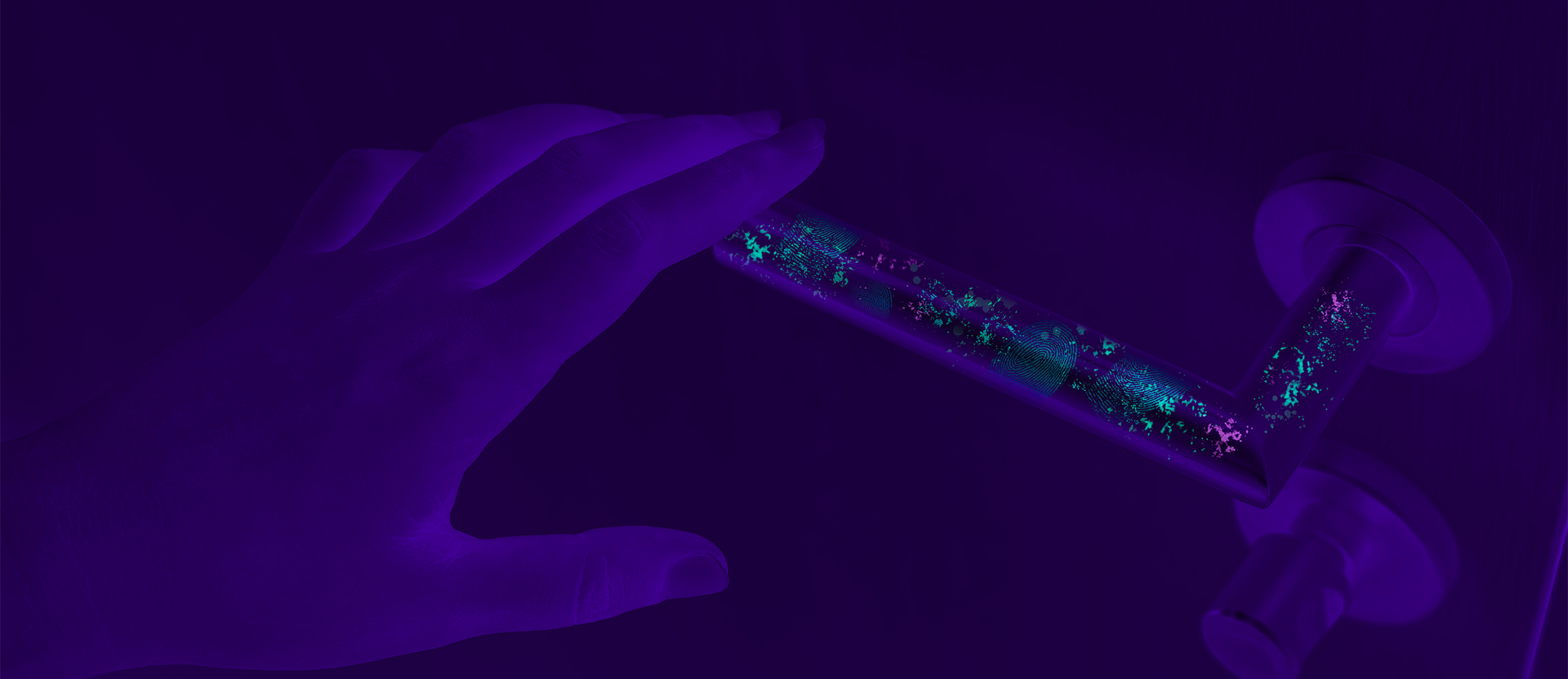
The use of black light technology with a simple spray fluoresces is a way to provide a quick, objective measurement of cleaning thoroughness. It allows managers to document performance and highlight areas for additional attention or training.
Benefits:
- Provides a means to document cleaning has occurred
- Identifies surfaces needing additional attention
- Identifies areas for additional staff training
5 | Air Filtration
Healthy Innovation:
HEPA and MERV Filters
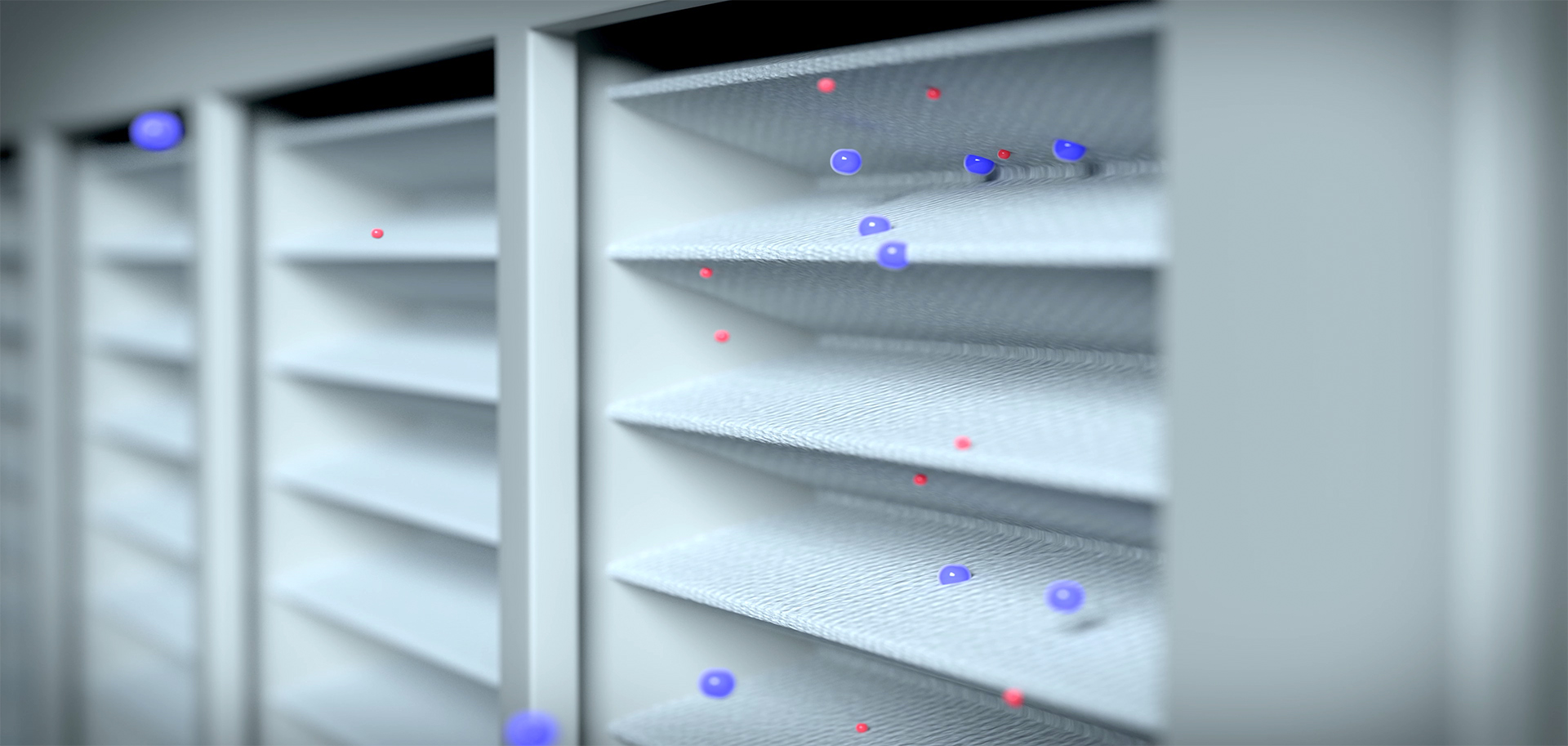
The pandemic has highlighted the role HVAC systems can play in transmitting or impeding virus transmission. Air filtration systems are an important part of creating safer and healthier environments. Increasing the use of HEPA and MERV filters and introducing fresh air into a building space may be the first line of defense in creating healthier environments. The following HVAC strategies have the potential to reduce the risks of infectious aerosol dissemination, according to ASHRAE Board of Directors: air distribution patterns, differential room pressurization, personalized ventilation, source capture ventilation, filtration (central or local), and controlling temperature and relative humidity.
Benefits:
- Reduces airborne illness transmission
- Improves indoor air quality
- Provides another way to disinfect environments
6 | Surface Protectants
Healthy Innovation:
Microbial Films
Technological advancements and the use of nanotechnology are providing new solutions to further treat high-touch surfaces.
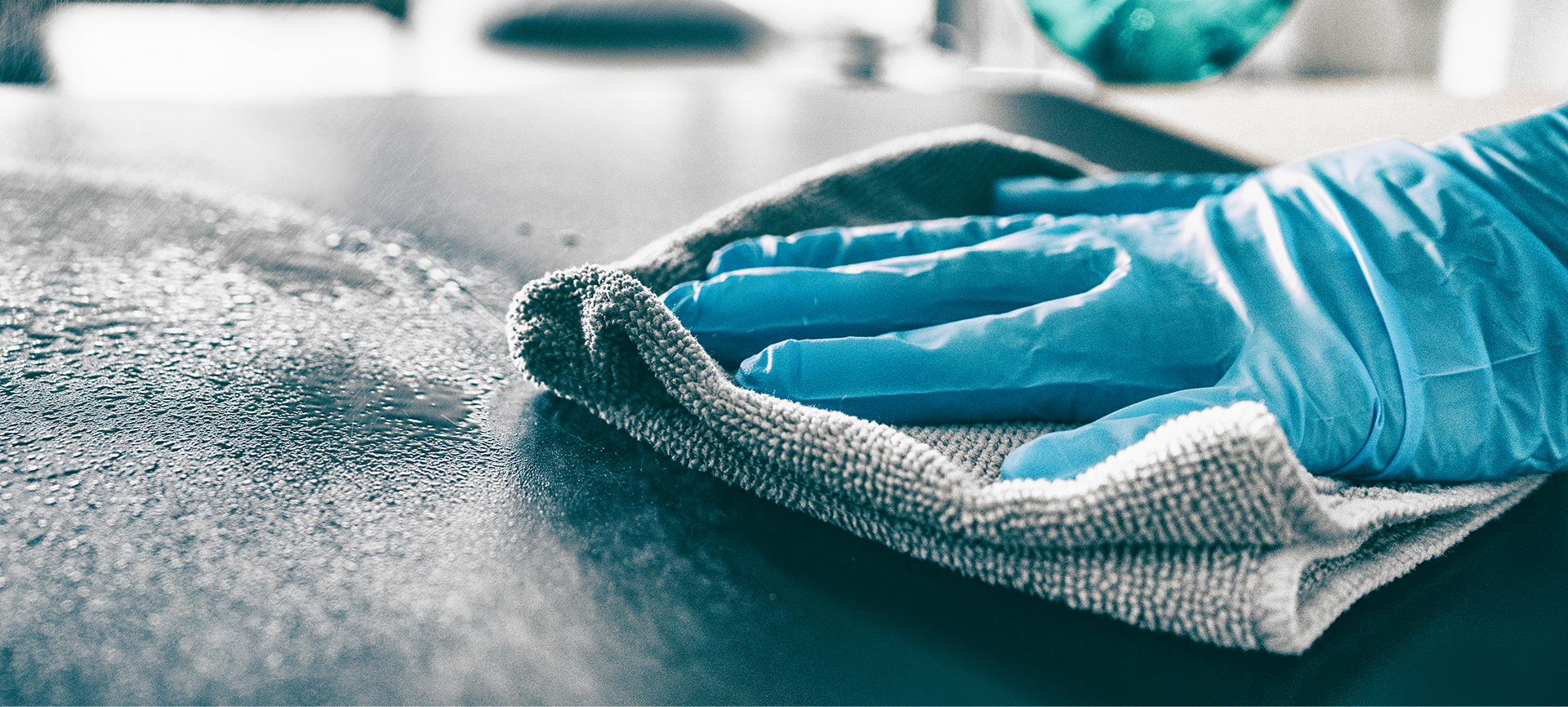
Microbial film is a common form of surface protectant. Some films continually “self-clean” when exposed to light. These films must still be cleaned of dirt and bioburden. These treatments complement the traditional cleaning process by more thoroughly sanitizing or disinfecting surfaces. Applications on door handles, elevator buttons, desks, hand railings and other high-touch areas help support a safer environment.
Benefits:
- Expands safety of high-touch surfaces
- Complements existing cleaning, sanitization, and disinfecting processes
- Supports a safer environment
7 | UVC Cleaning Technology
Healthy Innovation:
UVC Cleaning Technology
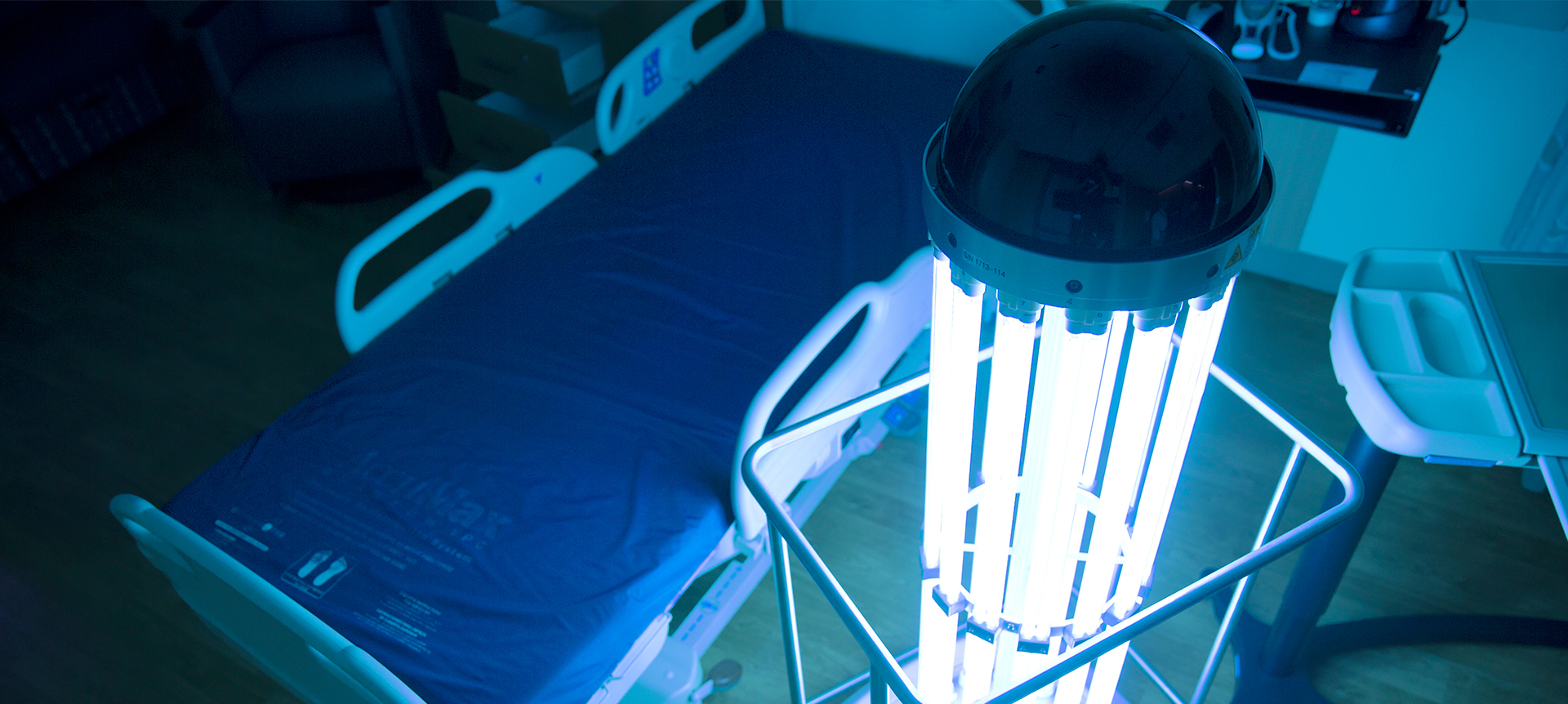
UVC cleaning systems such as Moonbeam and Tru-D add an additional layer of infection prevention and increases the destruction of live viruses in patient rooms. This technology has been especially important in healthcare since the onset of COVID-19. These innovations are easy to operate and are high powered to decontaminate large areas in less time. Additionally, they are environmentally friendly, thereby, avoiding the need for chemical products, packaging and disposal. Ultimately, UVC cleaning solutions work to improve patient outcomes while protecting healthcare systems’ bottom lines.
Benefits:
- 99.99% effective against infection
- Ensures safer cleaning for staff and occupants
- Supports sustainability by reducing chemical disposal and packaging
Is your organization ready to move forward into the happier, healthier workspaces of the future?
We are here to serve your unique needs
Contact us today. You have a lot to gain.

